ATTENTION:
Citizen Access will be unavailable Thursday, October 9 at 5:00 PM to Monday, October 13 at 6:00 AM for scheduled maintenance and updates.
We apologize for the inconvenience.
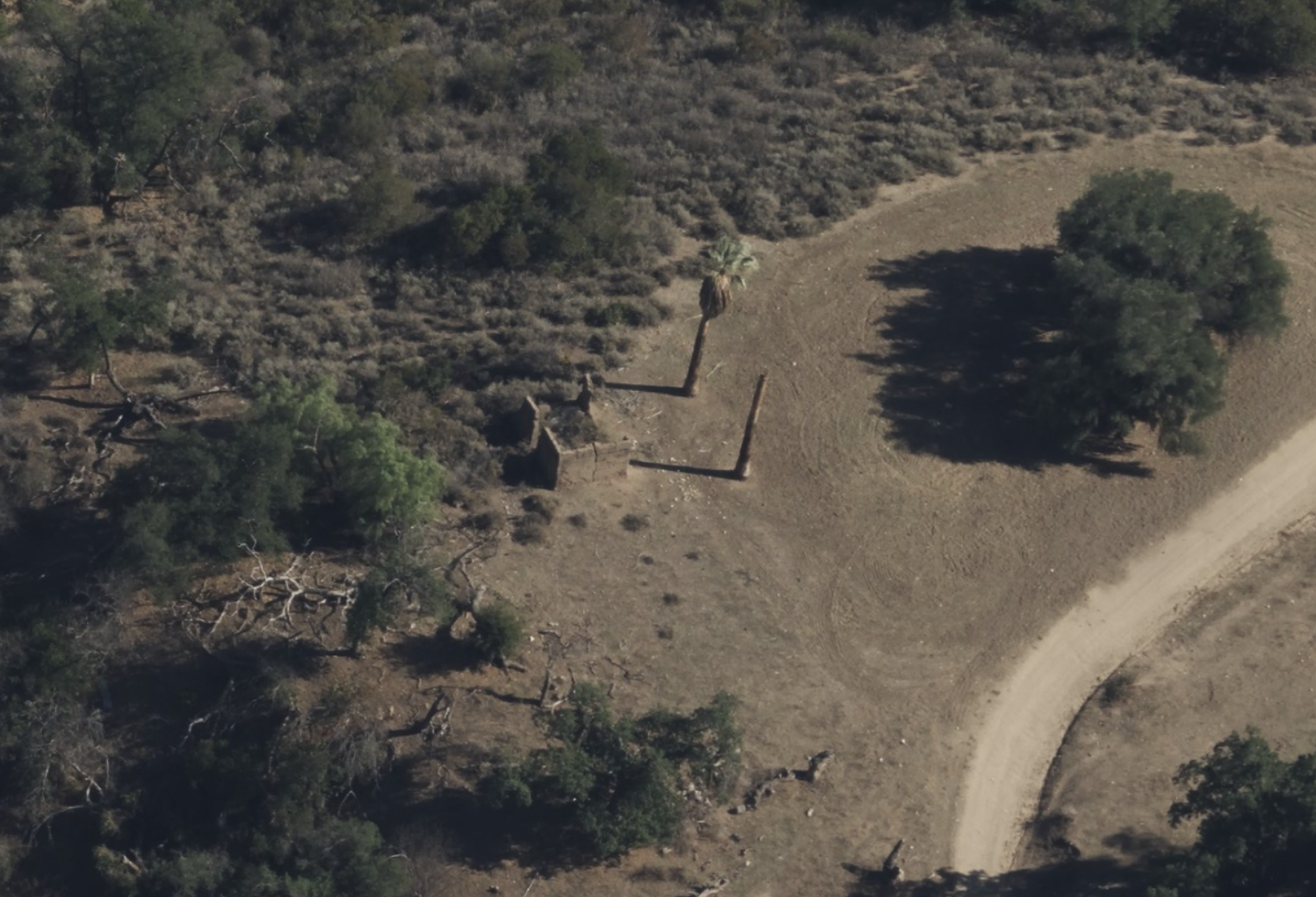
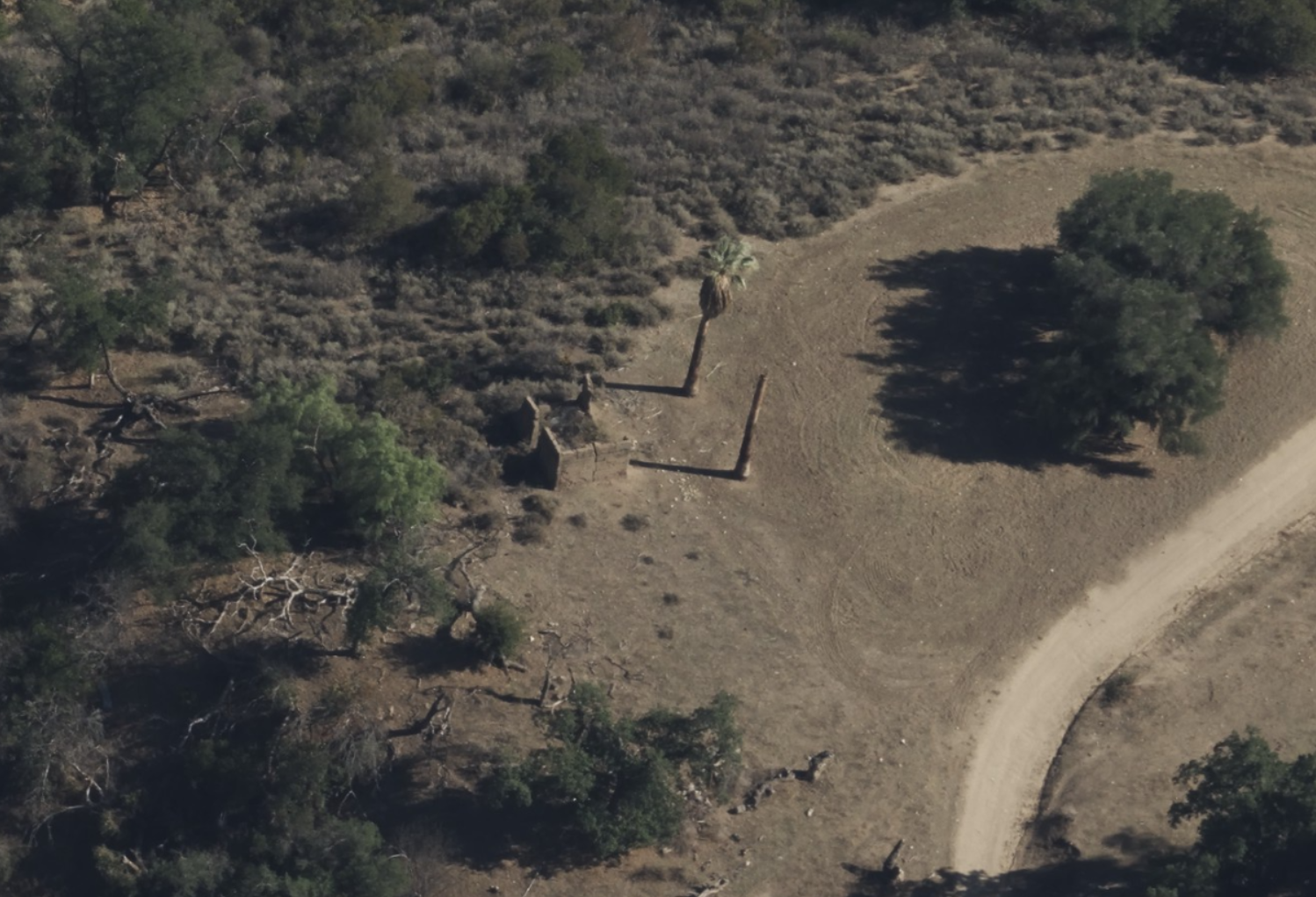
The ruins of Arundell Adobe, 2022. Credit: Vexcel Imaging US Inc.
Ventura County Landmark No. 58: Arundell Adobe
Historical Background
This house was constructed in 1885 by Thomas Arundell, an early settler in the Pole Creek area, using rammed‑earth construction (clay and straw tamped into formed walls) and wooden lean‑to additions. As one of the earliest permanent structures in the region, the adobe served as the center of Arundell’s growing honey operation and as an example of early frontier building practices in Ventura County. He selected the site for its abundant purple sage—essential to beekeeping—and for the reliable underground springs that supported year‑round settlement. Today, only the adobe ruins remain, marking the location of one of the county’s earliest agricultural homesteads.
The Arundell Family
Many members of the Arundell family played prominent roles in Fillmore’s history (Fillmore Historical Museum, 2023). The first to move to the area were William Arundell and his son, Thomas (Tommy), who came to Ventura County in 1874 from Iowa. In 1879, Tommy hauled beehives up Pole Creek, northeast of Fillmore, and the following year harvested six tons of honey. This success led him to acquire extensive property in the area, eventually accumulating over 1,200 acres and operating up to 700 stands of bees. He built an adobe on the property where he and his wife, Inez Kellogg Arundell, raised seven children, establishing one of the earliest permanent homesteads in the Pole Creek region and anchoring the family’s presence there for decades. Besides bees, Tommy became interested in the possibility of oil on his land; however, no oil was produced until about 20 years after his death in 1938 (Fillmore Historical Museum, 2023).
Tommy’s grandson, Art Jr., is remembered as Fillmore’s long‑serving librarian. A graduate of Princeton, he was known for his wide‑ranging knowledge on many subjects and contributed much information to the Fillmore Historical Museum. Art died in 1991 (Fillmore Historical Museum, 2023).
Location: Three miles up Pole Creek Canyon Road, Fillmore
Photos:
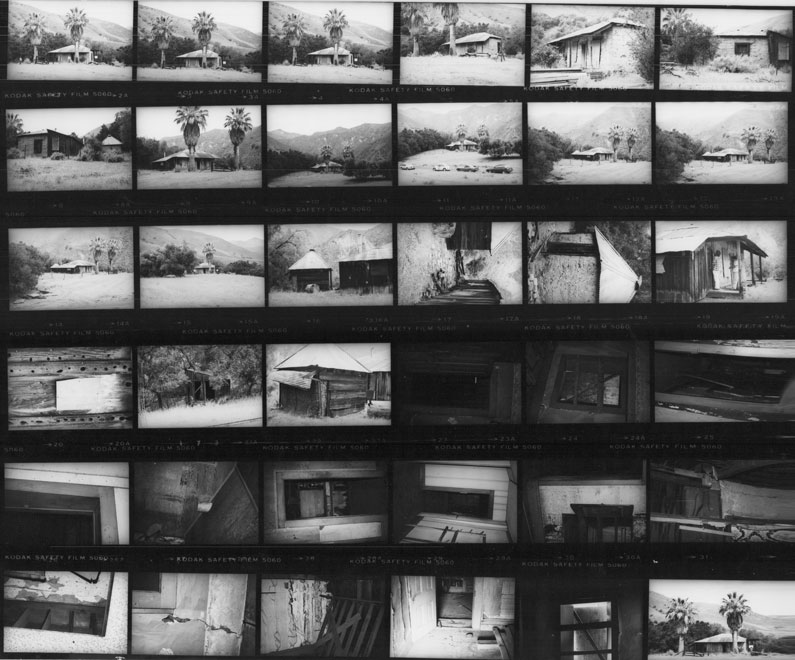
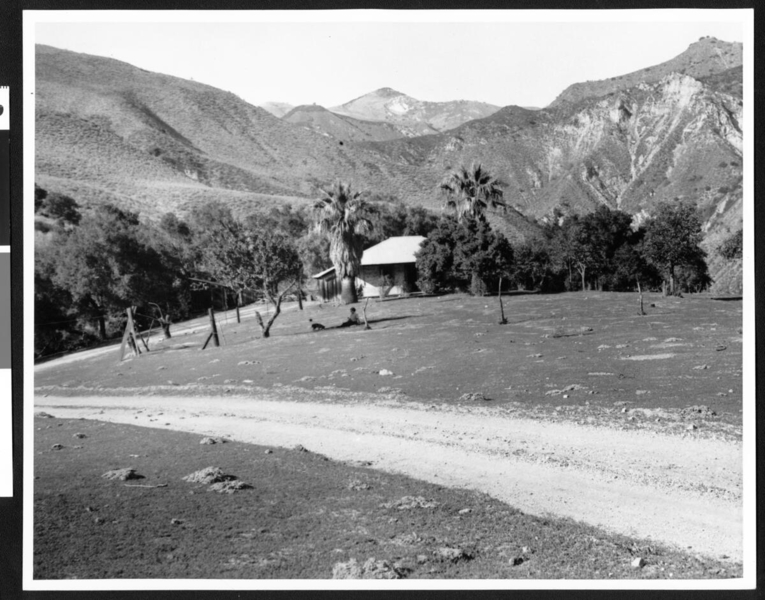
Historical photos of Arundell Adobe. Credit: Museum of Ventura County.
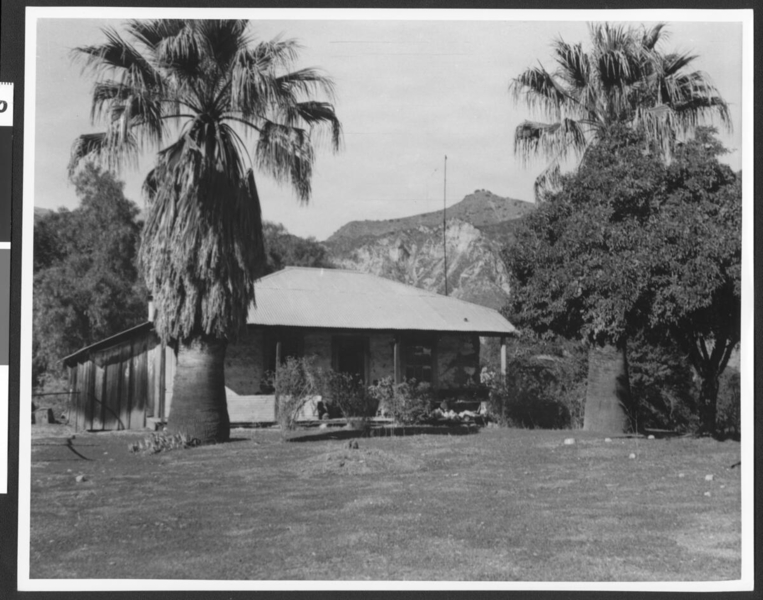
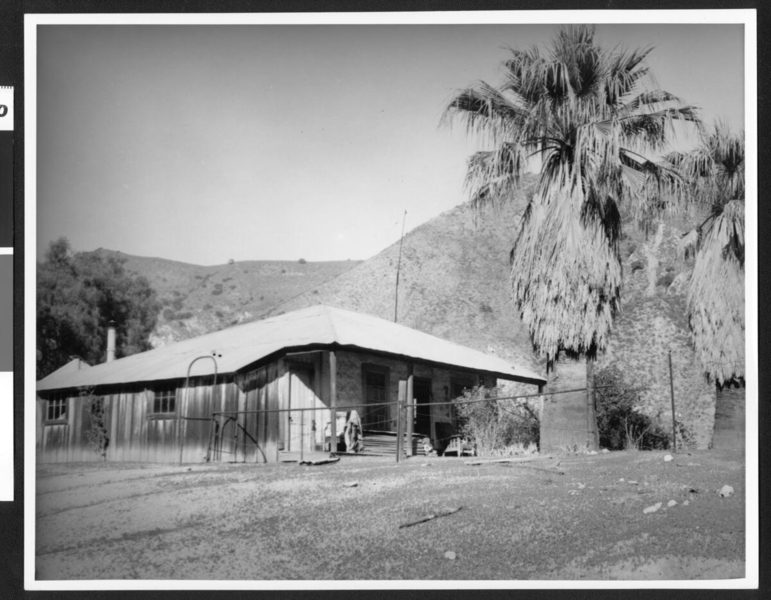
Historical photo of Arundell Adobe, circa 1900. Credit: USC Libraries Special Collections.
Historical photo of Arundell Adobe, circa 1900. Credit: USC Libraries Special Collections.
Historical photo of Arundell Adobe and surrounding property, circa 1900. Credit: USC Libraries Special Collections.
The ruins of Arundell Adobe, 2022. Note the two palm trees from the historical photos still standing. Credit: Vexcel Imaging US Inc.
Translate Disclaimer
The vcrma.org website has been translated for your convenience using translation software powered by Google Translate. Reasonable efforts have been made to provide an accurate translation, however, no automated translation is perfect nor is it intended to replace human translators. Translations are provided as a service to users of the Ventura.org website, and are provided “as is.” No warranty of any kind, either expressed or implied, is made as to the accuracy, reliability, or correctness of any translations made from English into any other language. Some content (such as images, videos, Flash, etc.) may not be accurately translated due to the limitations of the translation software.
The official text is the English version of the website. Any discrepancies or differences created in the translation are not binding and have no legal effect for compliance or enforcement purposes. If any questions arise related to the accuracy of the information contained in the translated website, please refer to the English version of the website which is the official version.