ATTENTION:
Citizen Access will be unavailable Thursday, October 9 at 5:00 PM to Monday, October 13 at 6:00 AM for scheduled maintenance and updates.
We apologize for the inconvenience.
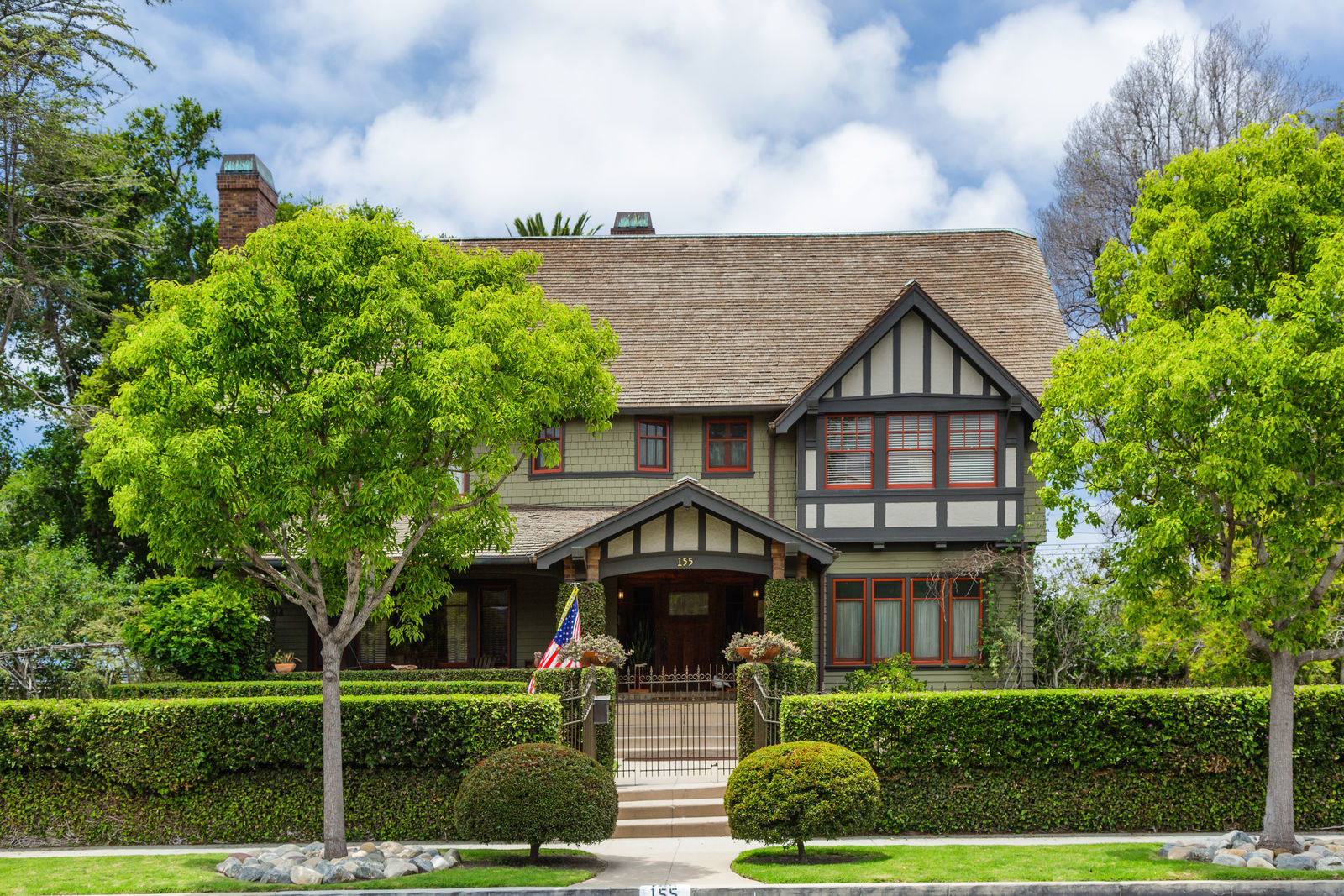
Henry Levy House, 2017. By July1962 - Own work, CC BY-SA 4.0.
Ventura County Landmark No. 74: Henry Levy House
Historical Background
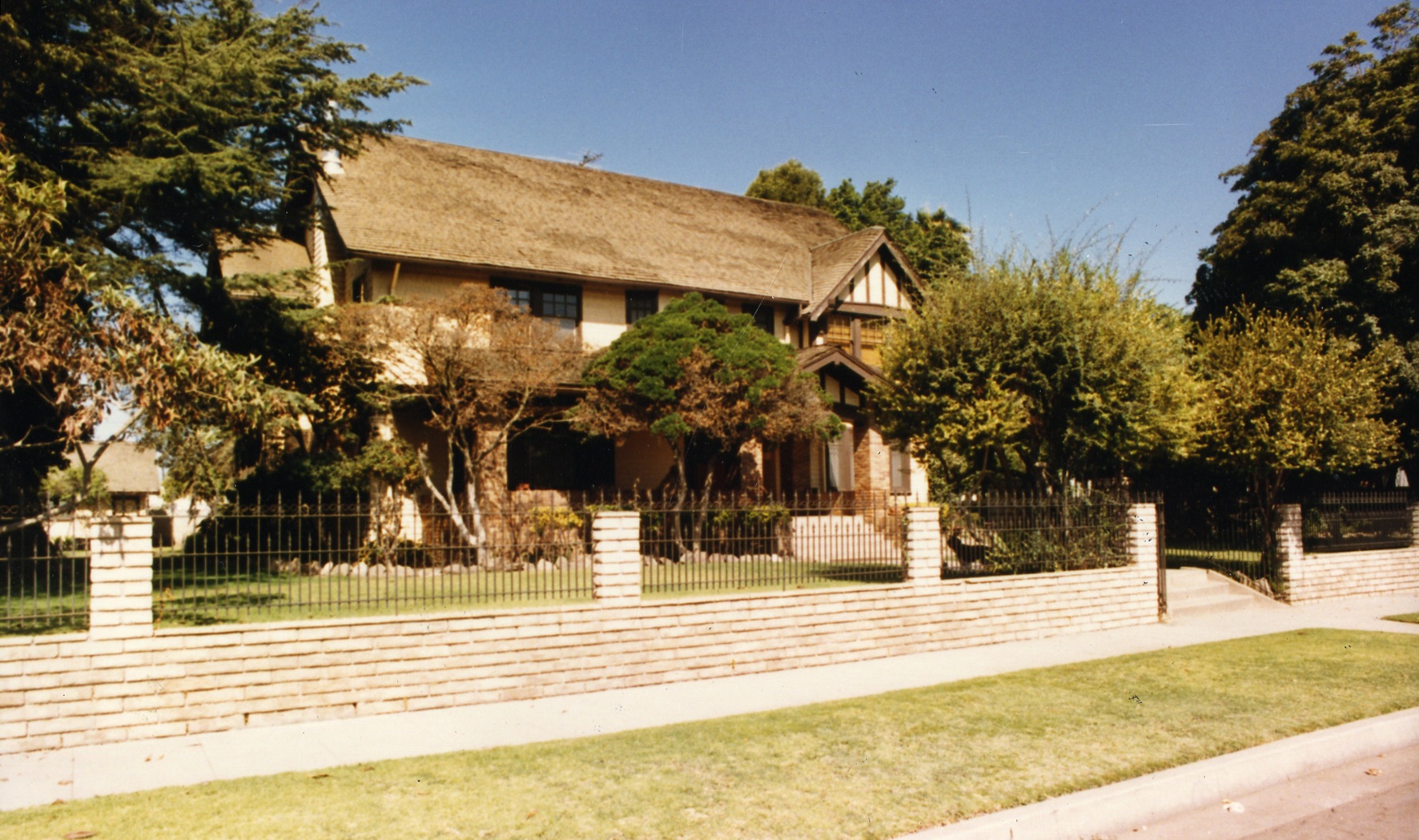
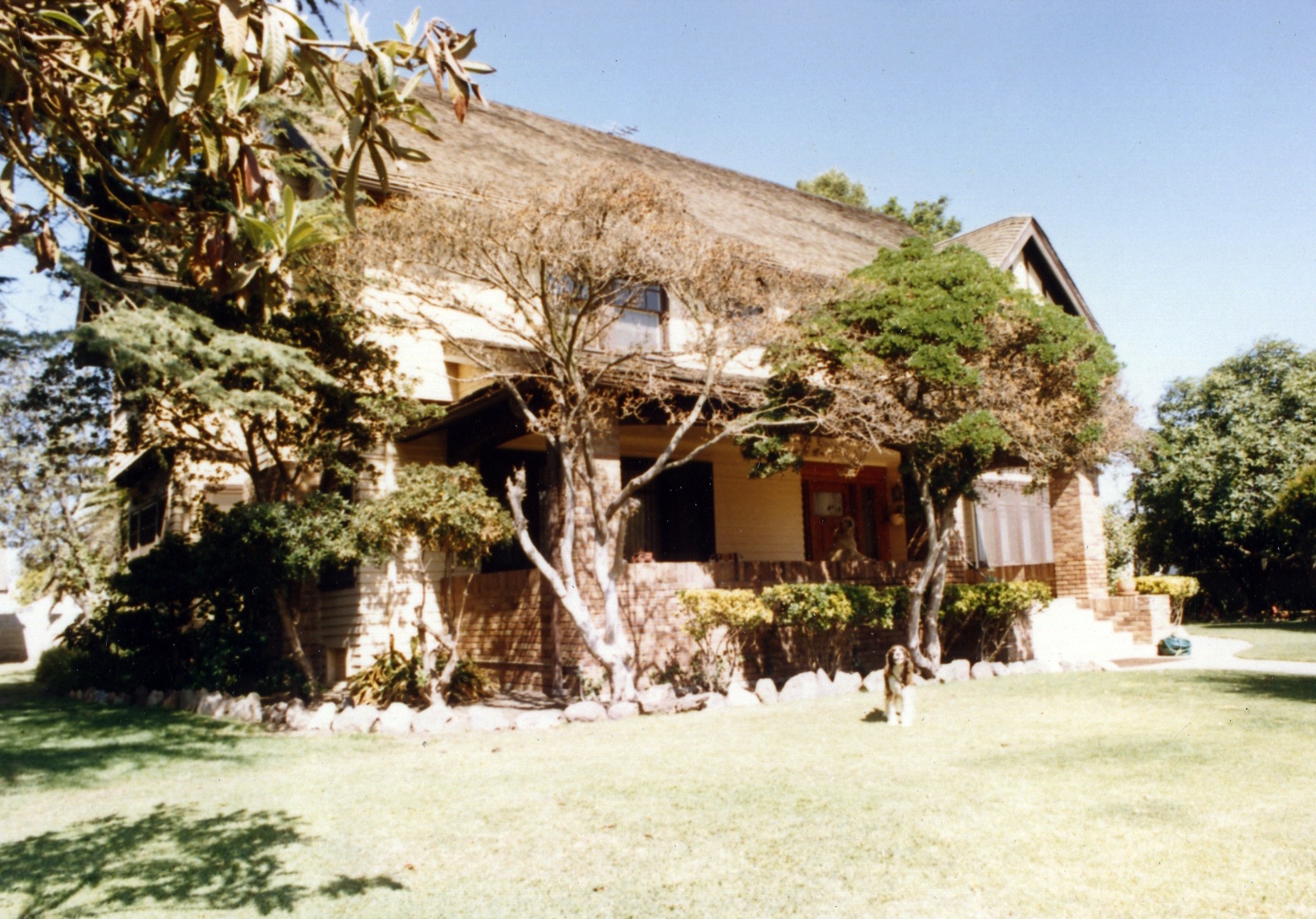
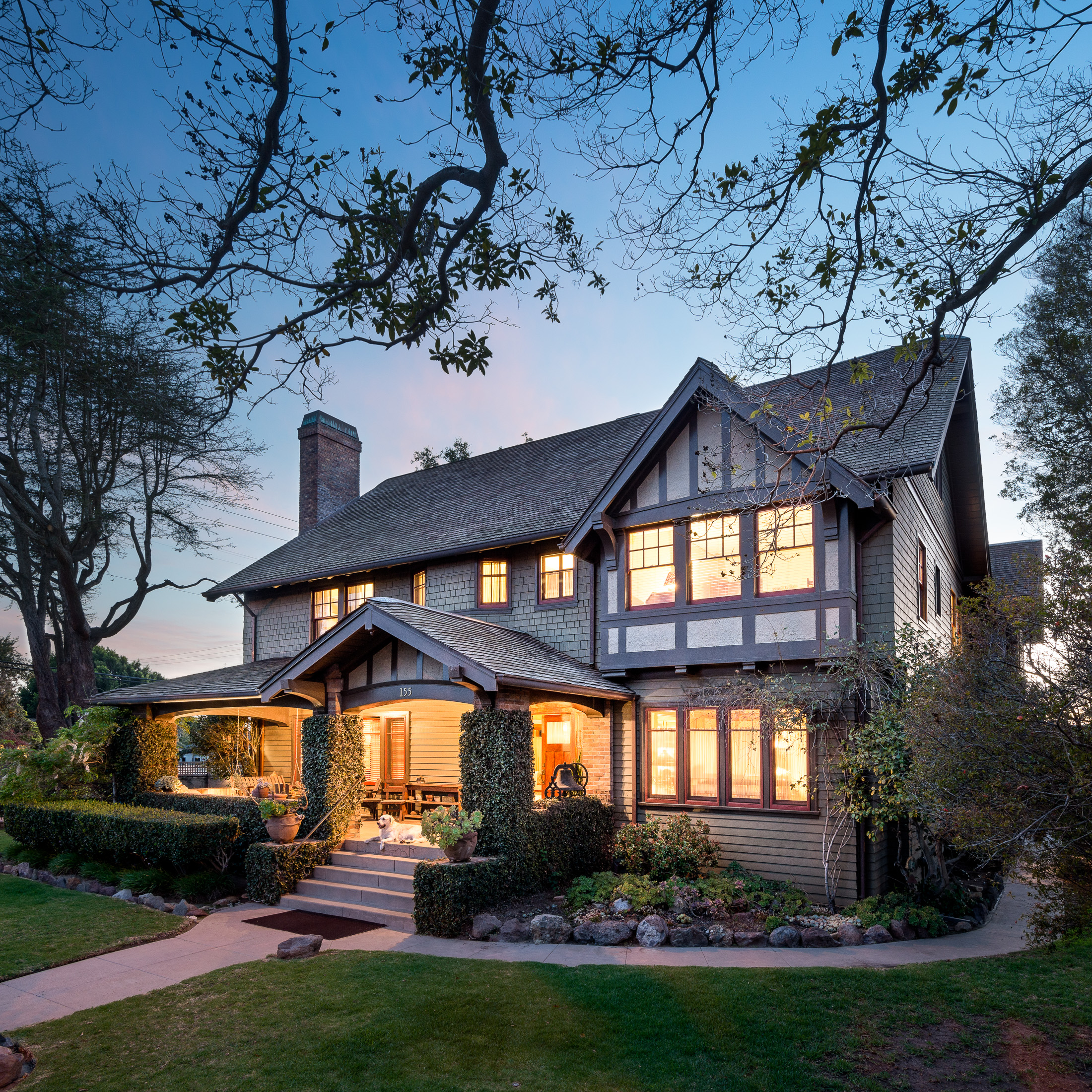
Built in 1915, the Henry Levy House was designed by Los Angeles architect Homer Glidden. Located on G Street within the Henry T. Oxnard Historic District, it stands as an exceptional example of a three-story Craftsman, shingle-style residence with Tudor influences. Spanning eighteen rooms across three lots, it remains one of the largest historic homes in Oxnard (Ventura County Resource Management Agency, Planning Division, 2016).
Henry Levy, brother of Achille Levy—founder of the Bank of A. Levy—was a bean broker and shipper. He arrived in Hueneme from France in 1884 to join Achille in the brokerage business and eventually built this home as his primary residence. Many original trees, gardens, and the property’s pond still remain. The second story features shingle siding, while the first story displays medium clapboard siding. Wood trim beneath the front gable and roof shingles that resemble thatching contribute to the Tudor influence. Notched beams under the eaves, along with brick porch columns and a brick chimney, add a distinct Craftsman character. The interior includes extensive oak woodwork, and the fireplace tiles resemble Batchelder tiles commonly found in Craftsman homes throughout Southern California.
Henry Levy died in the home in 1936, and his wife continued to live in the residence until her passing in 1970, preserving the home’s original character throughout their occupancy (Triem, 1981).
The Property Today
The house remains largely unchanged today, retaining its early twentieth‑century architectural character. Later owners added a stone wall and wrought‑iron fence around the property, and a smaller rear structure—likely used historically as servants’ quarters—also remains on the lot (Triem, 1981; Ventura County Resource Management Agency, Planning Division, 2016).
The vcrma.org website has been translated for your convenience using translation software powered by Google Translate. Reasonable efforts have been made to provide an accurate translation, however, no automated translation is perfect nor is it intended to replace human translators. Translations are provided as a service to users of the Ventura.org website, and are provided “as is.” No warranty of any kind, either expressed or implied, is made as to the accuracy, reliability, or correctness of any translations made from English into any other language. Some content (such as images, videos, Flash, etc.) may not be accurately translated due to the limitations of the translation software.
The official text is the English version of the website. Any discrepancies or differences created in the translation are not binding and have no legal effect for compliance or enforcement purposes. If any questions arise related to the accuracy of the information contained in the translated website, please refer to the English version of the website which is the official version.