Ventura County Landmark No. 88: Richard Bard House (aka Navy Quarters A)
Historical Background
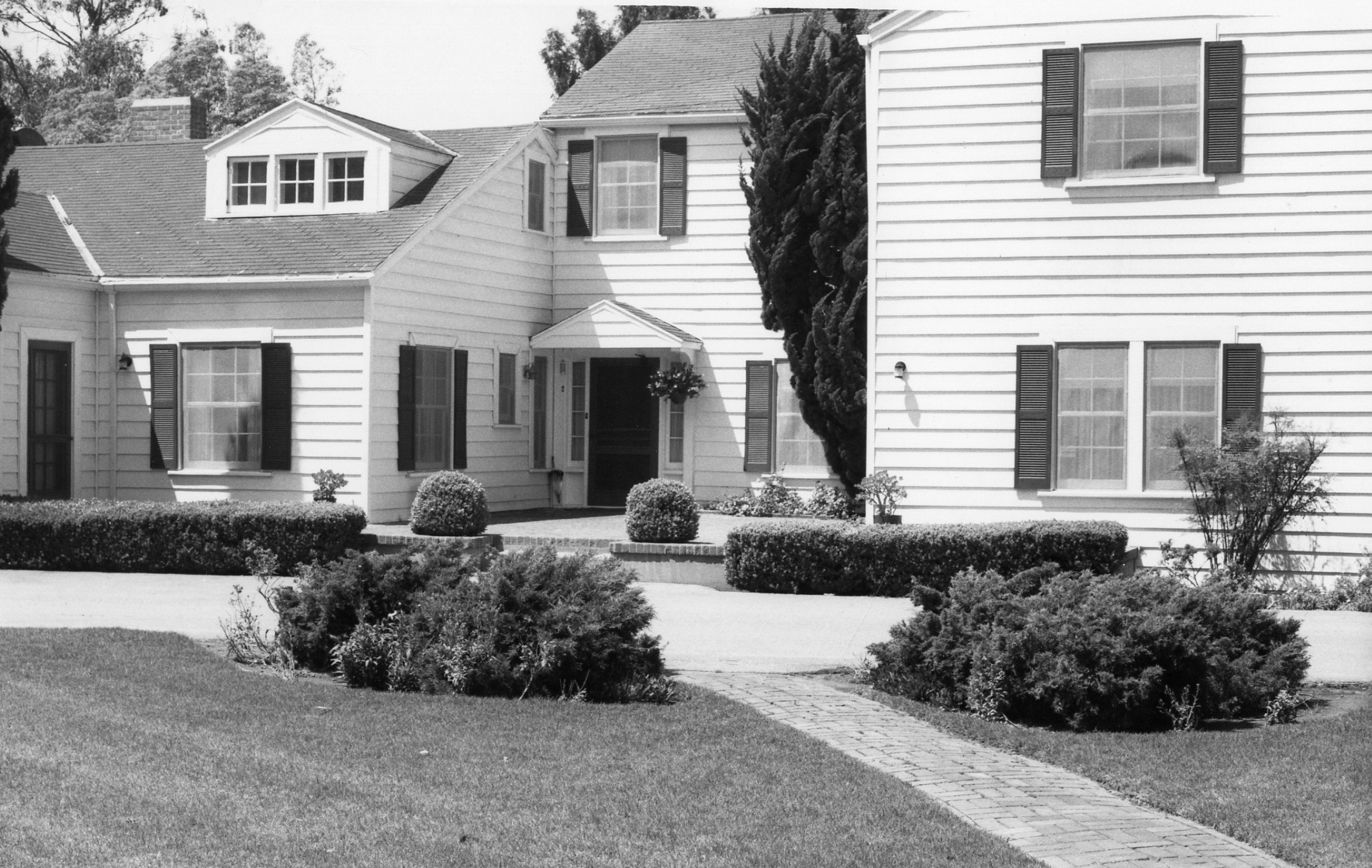
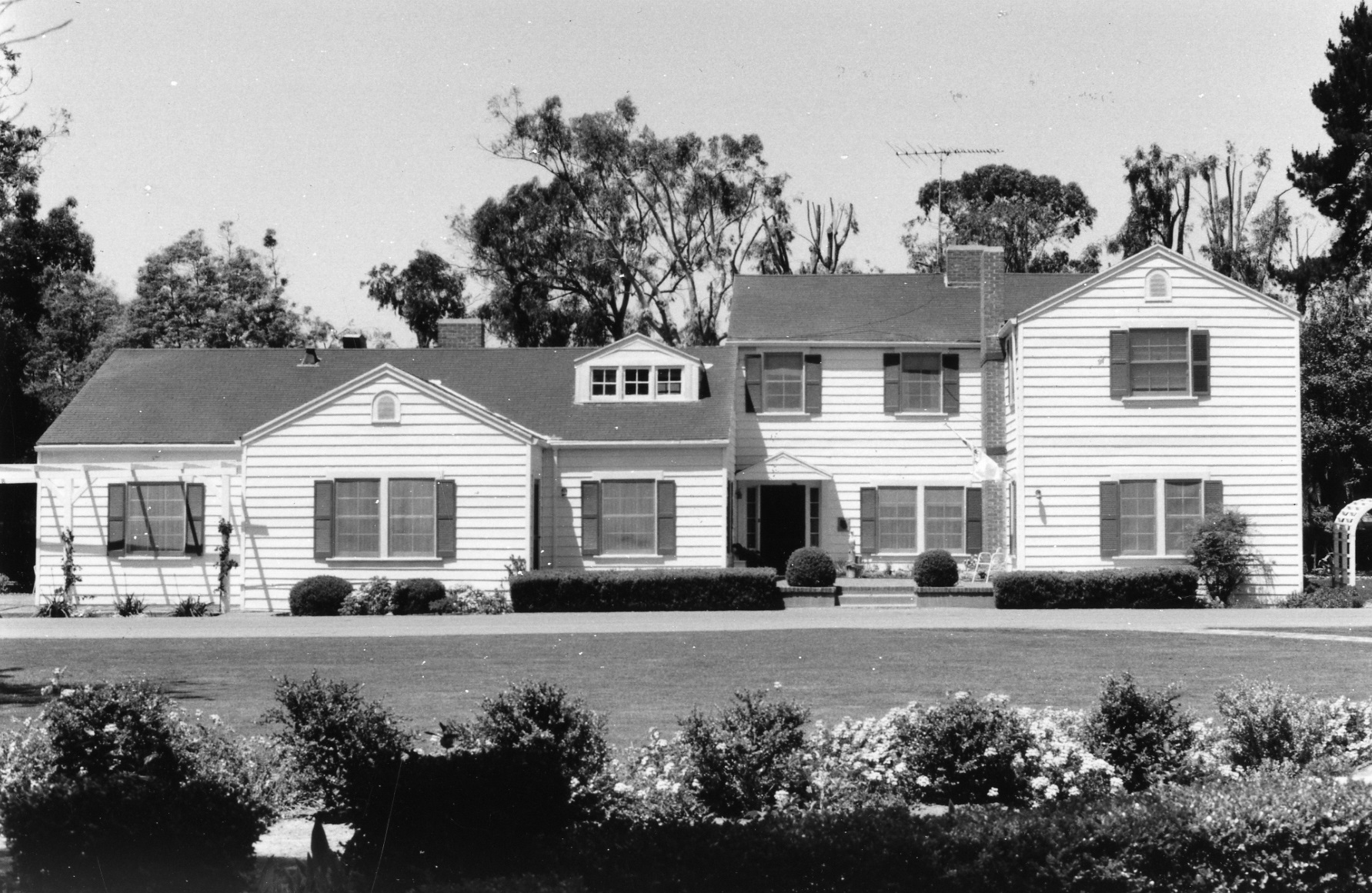
Constructed in 1910 as a modified American Colonial cottage, this house was later enlarged to approximately 4,700 square feet through ground floor and second floor additions built between 1918 and 1926 (U.S. Naval Construction Battalion Center, 1975). The house served as the residence of U.S. Senator Thomas R. Bard and his family while the nearby Bard Mansion was under construction. It later became the home of Senator Bard’s son, Richard Bard, who was instrumental in securing a deep water harbor for Hueneme and leading early efforts to establish reliable water supplies for Ventura County (U.S. Naval Construction Battalion Center, 1975).
Richard Bard also donated land for commercial and naval harbor development as well as for Channel Islands Harbor (U.S. Naval Construction Battalion Center, 1975). The property formed part of the larger Berylwood estate, noted for its extensive botanical gardens planted by Senator Bard between 1871 and 1915 (Museum of Ventura County, 2012). The house is now known as Quarters A and serves as the residence of the commanding officer at Naval Base Ventura County (U.S. Naval Construction Battalion Center, 1975).
Building and Grounds
The house is an attractive combination of one story and two story portions made of wood frame construction with wood exterior siding and a composition roof. This early 20th century country home contains an interior floor area of 4,717 square feet, a volume of 54,140 cubic feet, seven bedrooms, and four and a half bathrooms (U.S. Naval Construction Battalion Center, 1975).
Other buildings and facilities on the property are integral parts of the historic Bard Estate. These include the Milk House, constructed in 1918, and the Bard Guest House, built in 1925.
The Milk House has undergone many changes since its construction, including a major remodeling in 1945 for Navy use as married officers’ quarters and an additional relocation and remodeling in 1954, which expanded it to 1,758 square feet with three bedrooms and two baths (U.S. Naval Construction Battalion Center, 1975). The Bard Guest House—often called the “Doll House” due to its small size—is a one story, wood frame country house with composition roofing. Its 764 square foot interior contains two bedrooms, a living room, one bath, and a kitchen. Originally rehabilitated in 1945 for use as married officers’ quarters, it later served as bachelor officers’ housing (U.S. Naval Construction Battalion Center, 1975).
A swimming pool, tennis courts, garage, and gardener’s tool shed also serve the property in their original capacity. A private cemetery, once located west of the tennis courts and about 400 feet north of the Bard House, was moved in 1951 to a permanent Memorial Cemetery at the southeast corner of the estate’s wooded section (Landmark No. 20: Thomas R. and Mary Bard Memorial). Interred there are the remains of Senator Bard, his wife, and an infant son (U.S. Naval Construction Battalion Center, 1975).
Landscaping
The landscape architecture of the Bard Estate gained international recognition for its extensive botanical gardens, which occupy the wooded portion of the property. Noted for their variety of rare ornamental trees and plants, the gardens were created from seedlings collected by Senator Bard from around the world and planted between 1871 and 1915 (Museum of Ventura County, 2012). At the time of a 1974 evaluation, approximately 260 rare trees, representing 46 genera and 78 species, were identified on the property—many of which remain today (U.S. Naval Construction Battalion Center, 1975).
Additional Reading
- National Register of Historic Places Inventory—Nomination Form, June 1975
References
Museum of Ventura County. (2012). Paradise in Port Hueneme. https://venturamuseum.org/journal-flashback/paradise-in-port-hueneme/.
U.S. Naval Construction Battalion Center. (1975). National Register of Historic Places Inventory—Nomination Form. NAVFAC Historian’s Office.
Date Designated: October 1982
Location: Quarters A, Naval Construction Battalion Center, Port Hueneme
Photos: