ATTENTION:
Citizen Access will be unavailable Thursday, October 9 at 5:00 PM to Monday, October 13 at 6:00 AM for scheduled maintenance and updates.
We apologize for the inconvenience.
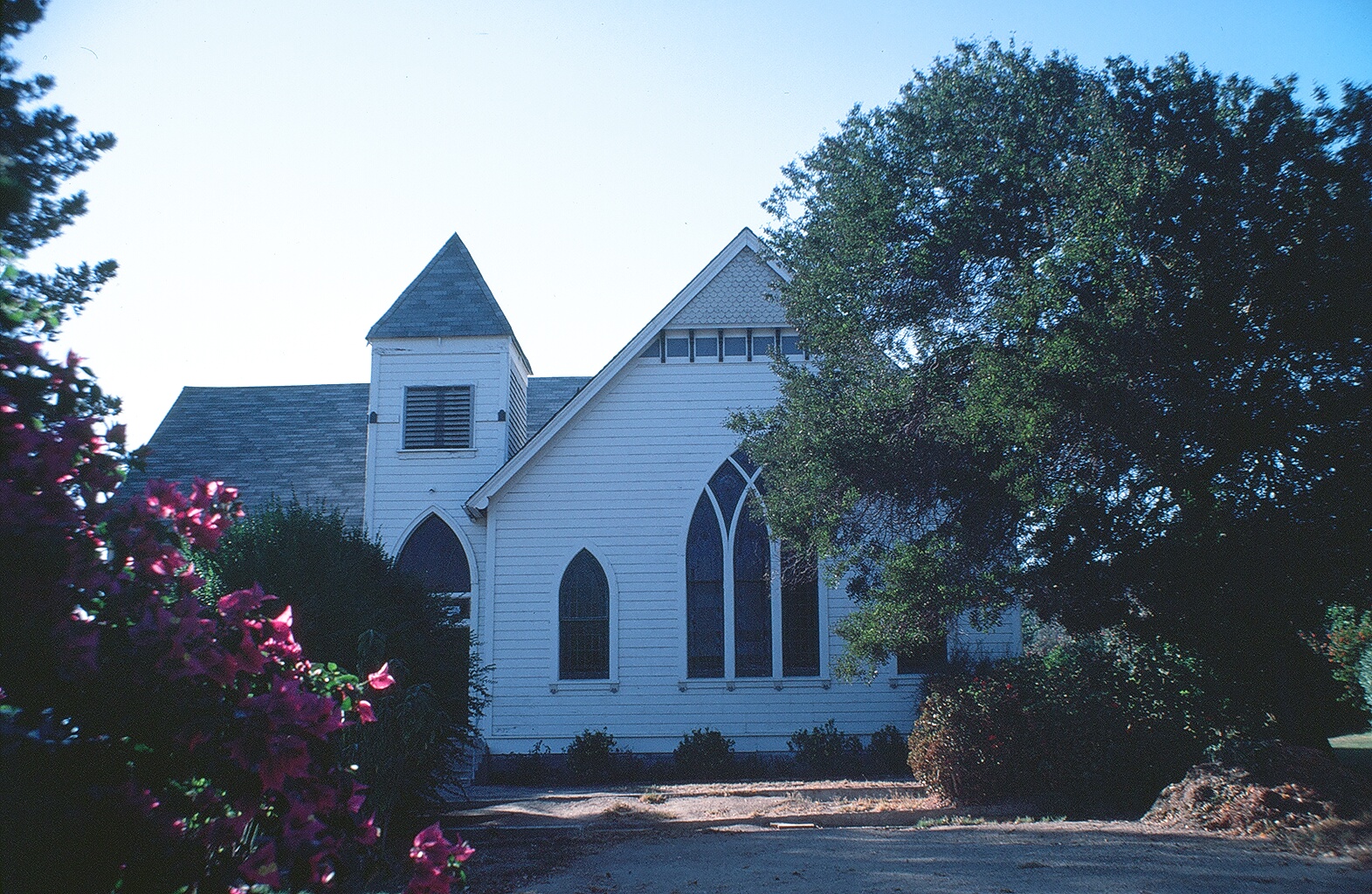
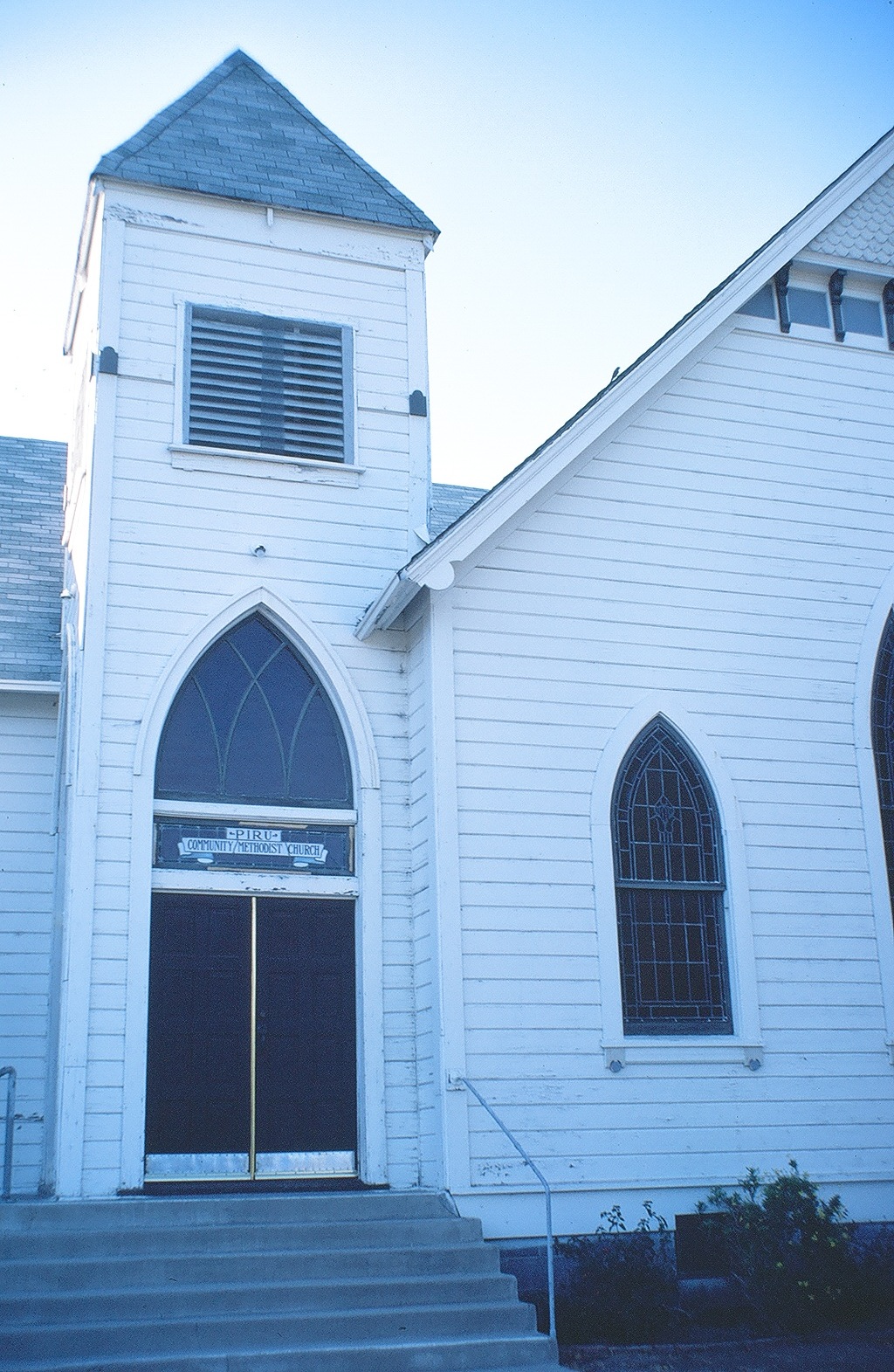
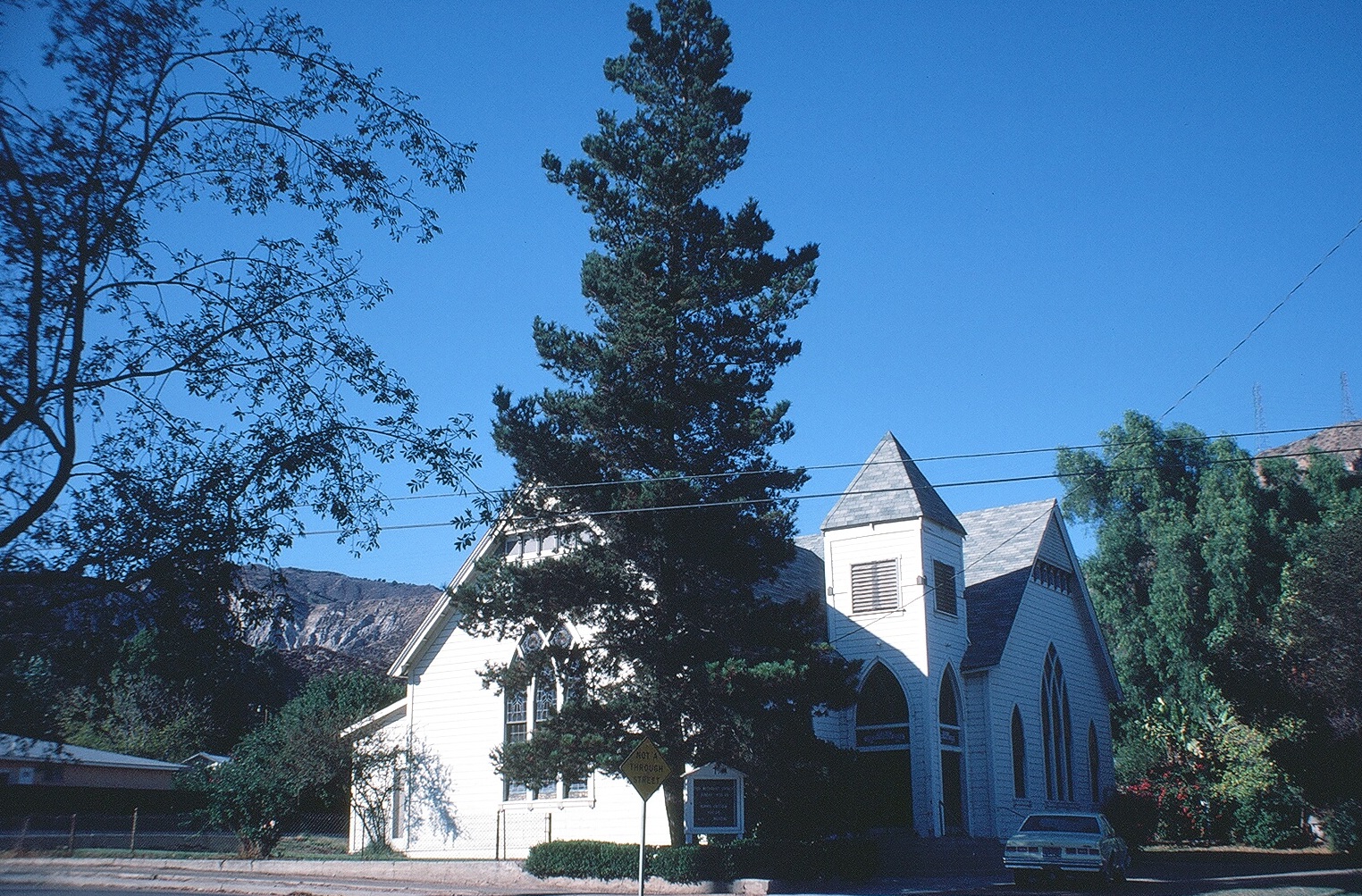
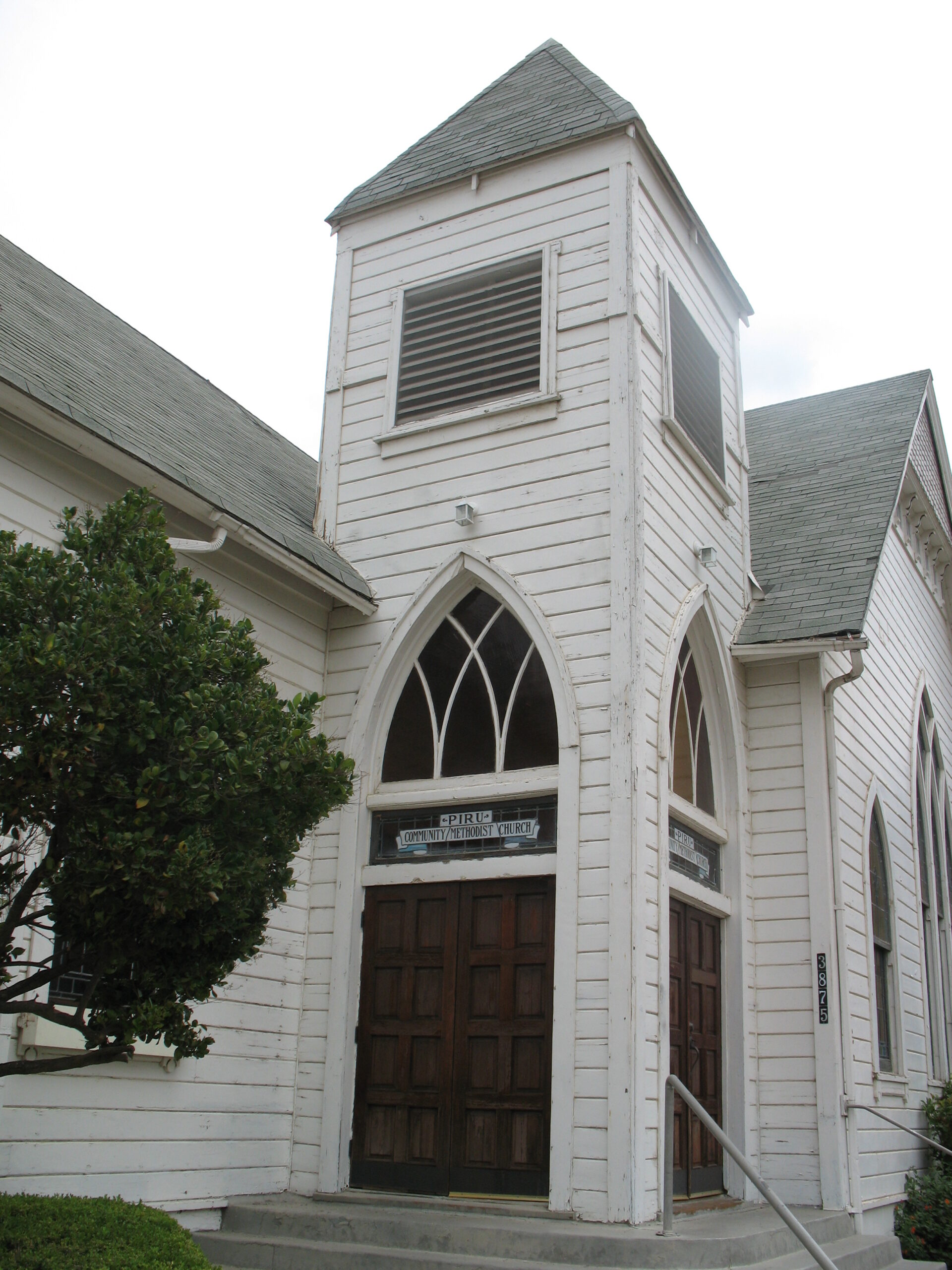
Piru Methodist Church, 1981.
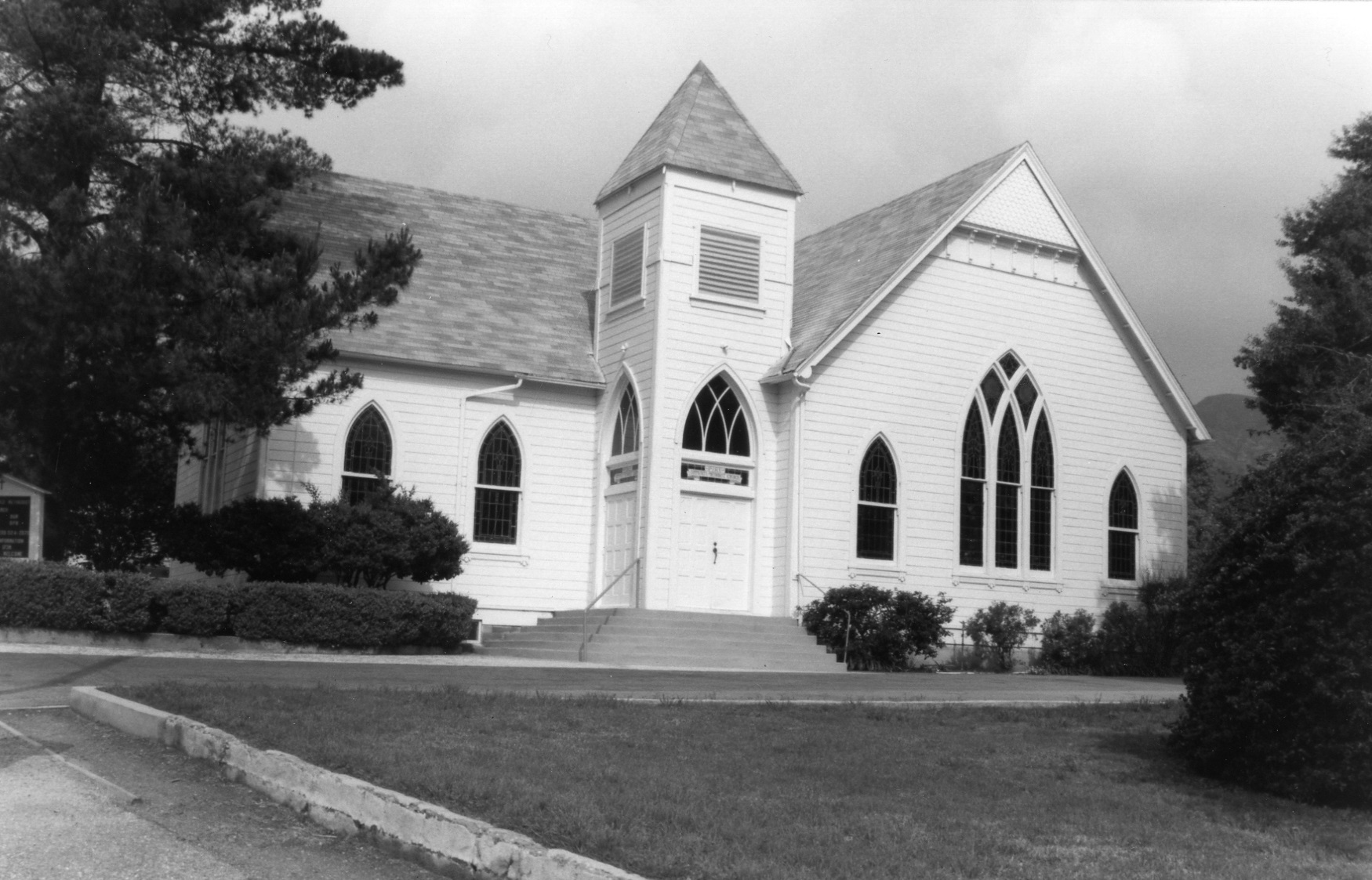
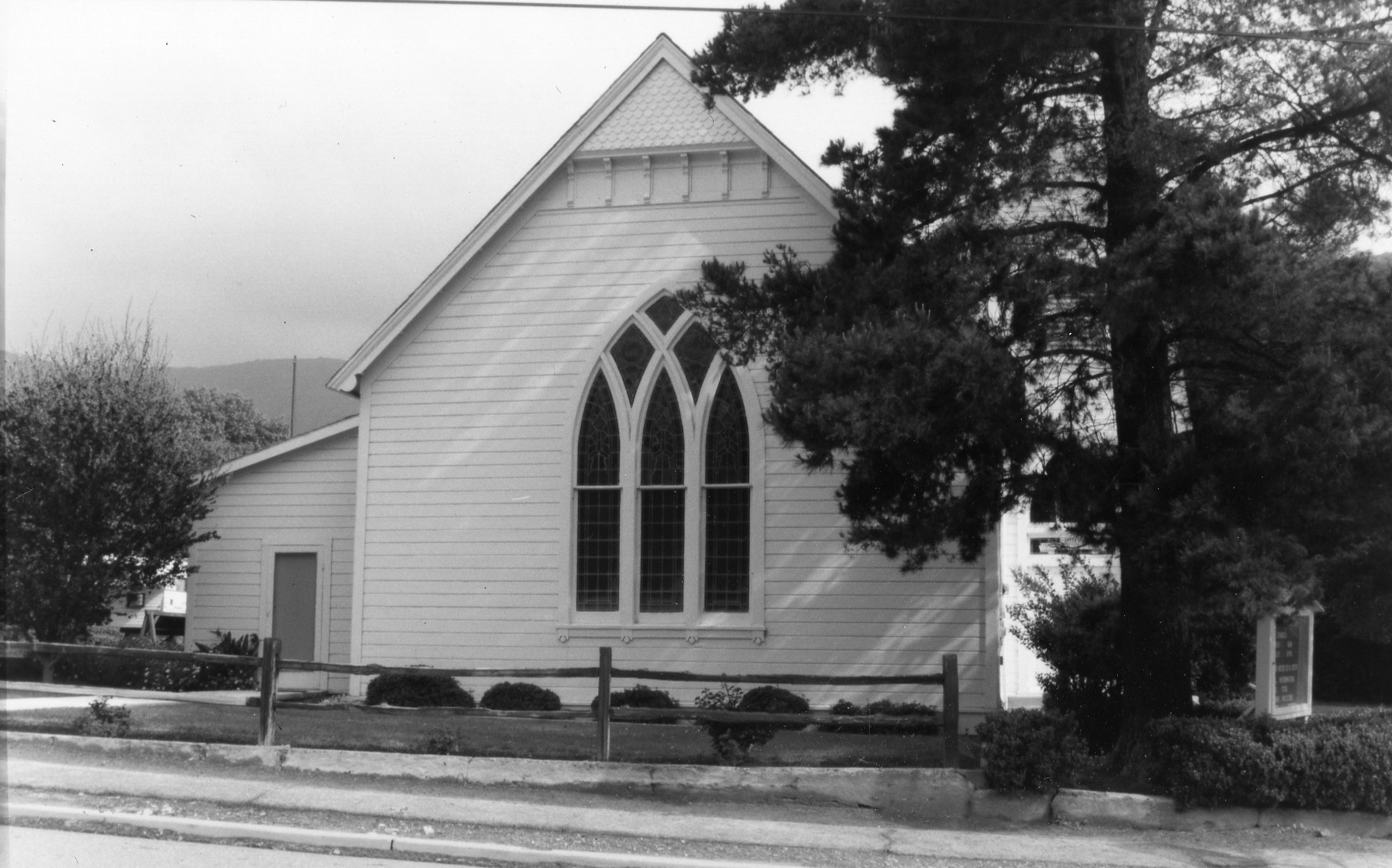
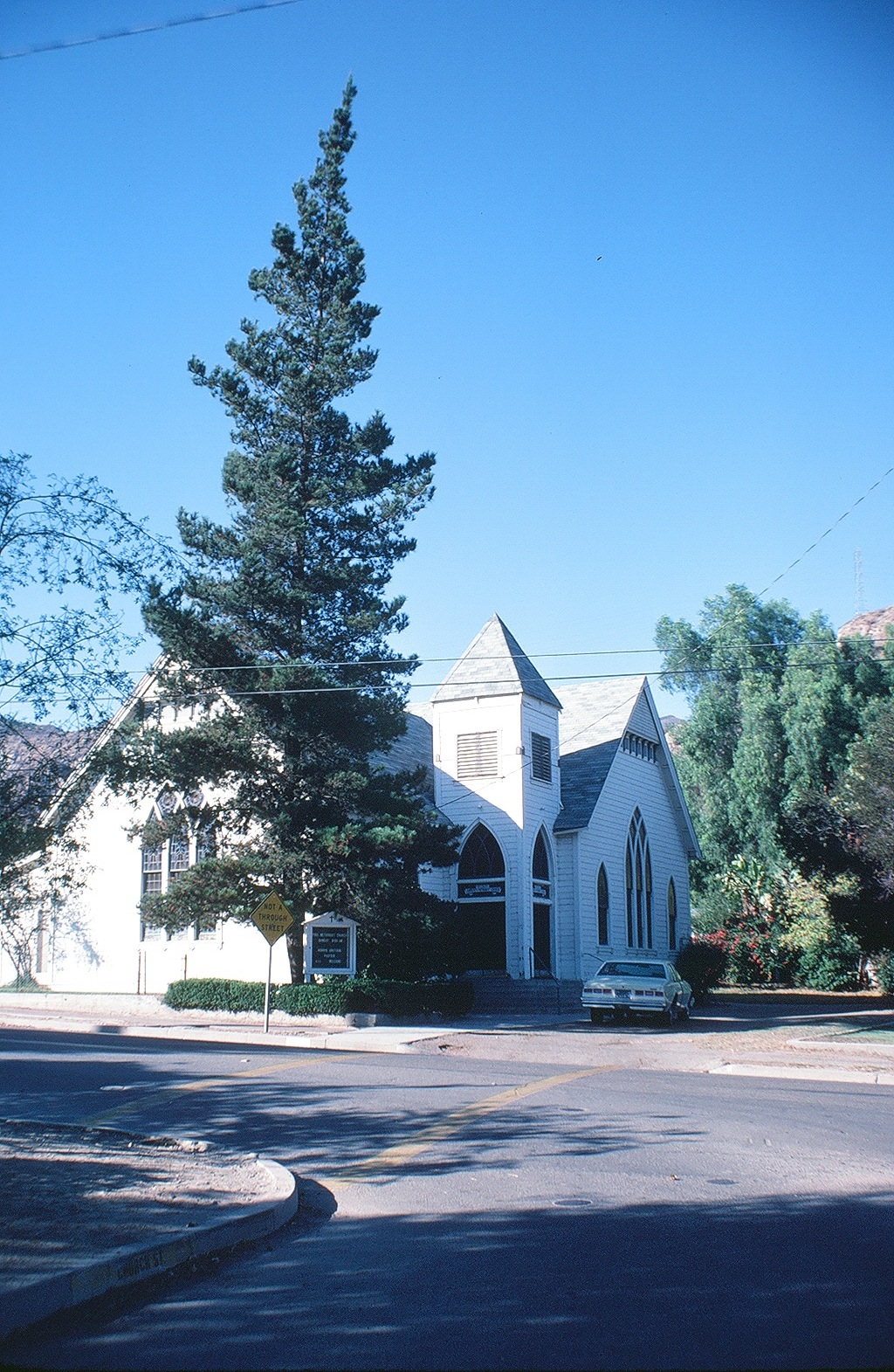
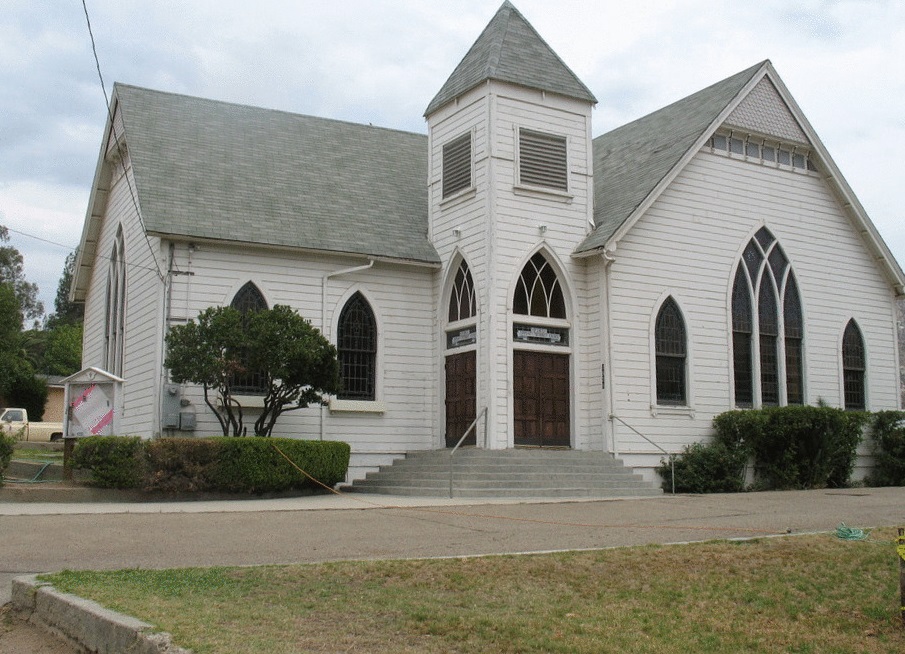
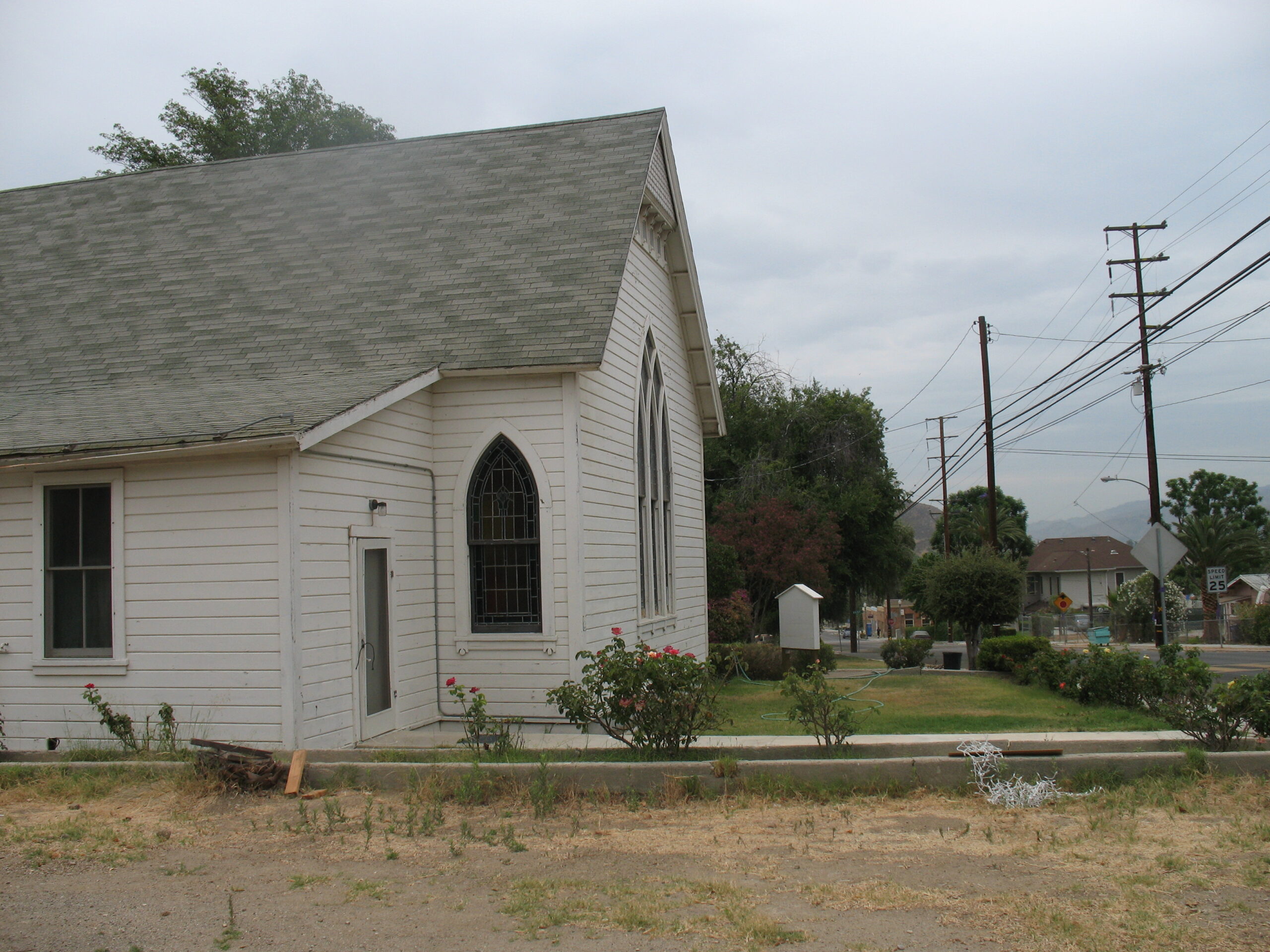
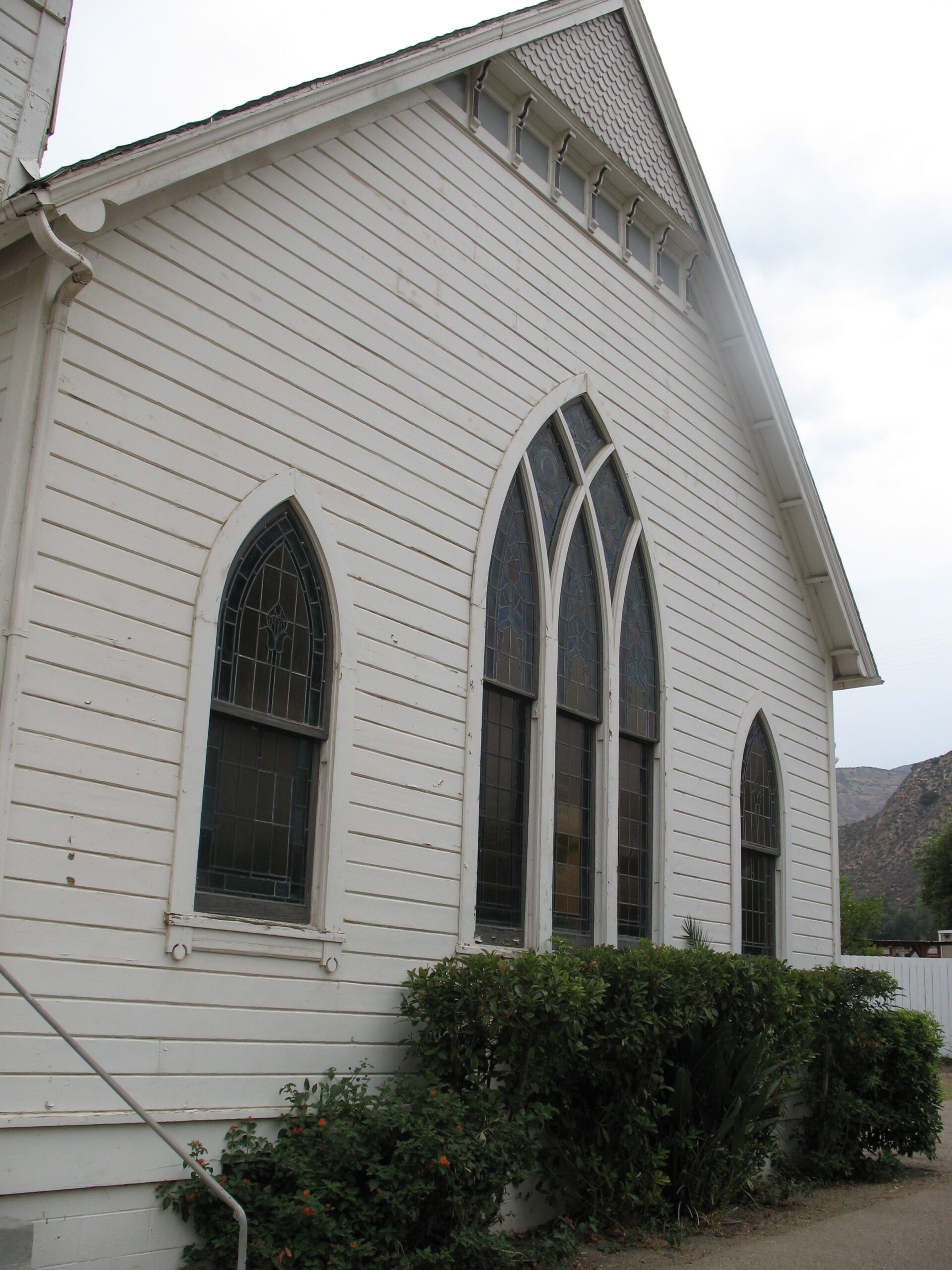
Ventura County Landmark No. 51: Piru Methodist Church and Organ
Historical Background
This Gothic clapboard structure was built in 1887-1890 by David Cook, founder of Piru, shortly before completing the Cook Mansion (Landmark No. 4). It contains a rare 1865 pipe organ purchased by Hugh Warring and built into the church walls. The organ, possibly the oldest pipe organ in California, was built by William Johnson in Westfield, Massachusetts, shipped around Cape Horn, survived the 1906 San Francisco earthquake and fire, and was finally installed in this church in 1935. The building is attributed to architects Samuel and Joseph Cather Newsom.
The Episcopal Church began in 1789 after the War of Independence as the American version of the Church of England. The Episcopal Church is the American member of the world-wide Anglican Communion. (Trinity Episcopal Church, Fillmore, n. d.).
Town of Piru
“Piru is a census-designated small town situated near the base of the Piru Mountains, where Piru Creek empties into the Santa Clara River, at the upper end of the Santa Clara Valley. The Tataviam Indians originally inhabited this area, which they named for the tule reeds growing along Piru Creek that they used to weave baskets. Originally pronounced ‘Peeroo,’ the accent was changed by train conductors who would shout ‘Pieroo’ when coming into town. David Caleb Cook, a publisher of religious books from Illinois, was attracted to this area after reading Helen Jackson Hunt’s ‘Ramona’ and came to this valley with the idea of establishing a ‘Second Garden of Eden.’ Cook purchased Rancho Temescal from the Del Valle family in 1887, which was a 14,000-acre portion of Rancho Camulos, and proceeded to establish his idyllic town. He planted over 900 acres of fruits identified with the Biblical garden – apricots, dates, figs, grapes, olives and pomegranates. Prior to this, entrepreneurs in the region had begun extracting oil from the ground as early as the mid 1800s. This unrefined oil was a thick, sticky substance called asphaltum that was used to surface roads and seal roofs. By the 1880s, almost all of the State’s oil production came from this region. Cook eventually sold his property to the Piru Oil and Land Company and returned to his publishing business in Illinois. The town of Piru grew little by little, but unfortunately never became the ‘Second Garden of Eden’ Cook had hoped for. Adding insult to injury, on March 12, 1928, the St. Francis Dam broke, sending a torrent of water through the Santa Clara River Valley, causing the deaths of 400 people, many in Piru. As of the 2000 census, population was 1,196.” (Los Angeles Public Library, n. d.).
The vcrma.org website has been translated for your convenience using translation software powered by Google Translate. Reasonable efforts have been made to provide an accurate translation, however, no automated translation is perfect nor is it intended to replace human translators. Translations are provided as a service to users of the Ventura.org website, and are provided “as is.” No warranty of any kind, either expressed or implied, is made as to the accuracy, reliability, or correctness of any translations made from English into any other language. Some content (such as images, videos, Flash, etc.) may not be accurately translated due to the limitations of the translation software.
The official text is the English version of the website. Any discrepancies or differences created in the translation are not binding and have no legal effect for compliance or enforcement purposes. If any questions arise related to the accuracy of the information contained in the translated website, please refer to the English version of the website which is the official version.