ATTENTION:
Citizen Access will be unavailable Thursday, October 9 at 5:00 PM to Monday, October 13 at 6:00 AM for scheduled maintenance and updates.
We apologize for the inconvenience.
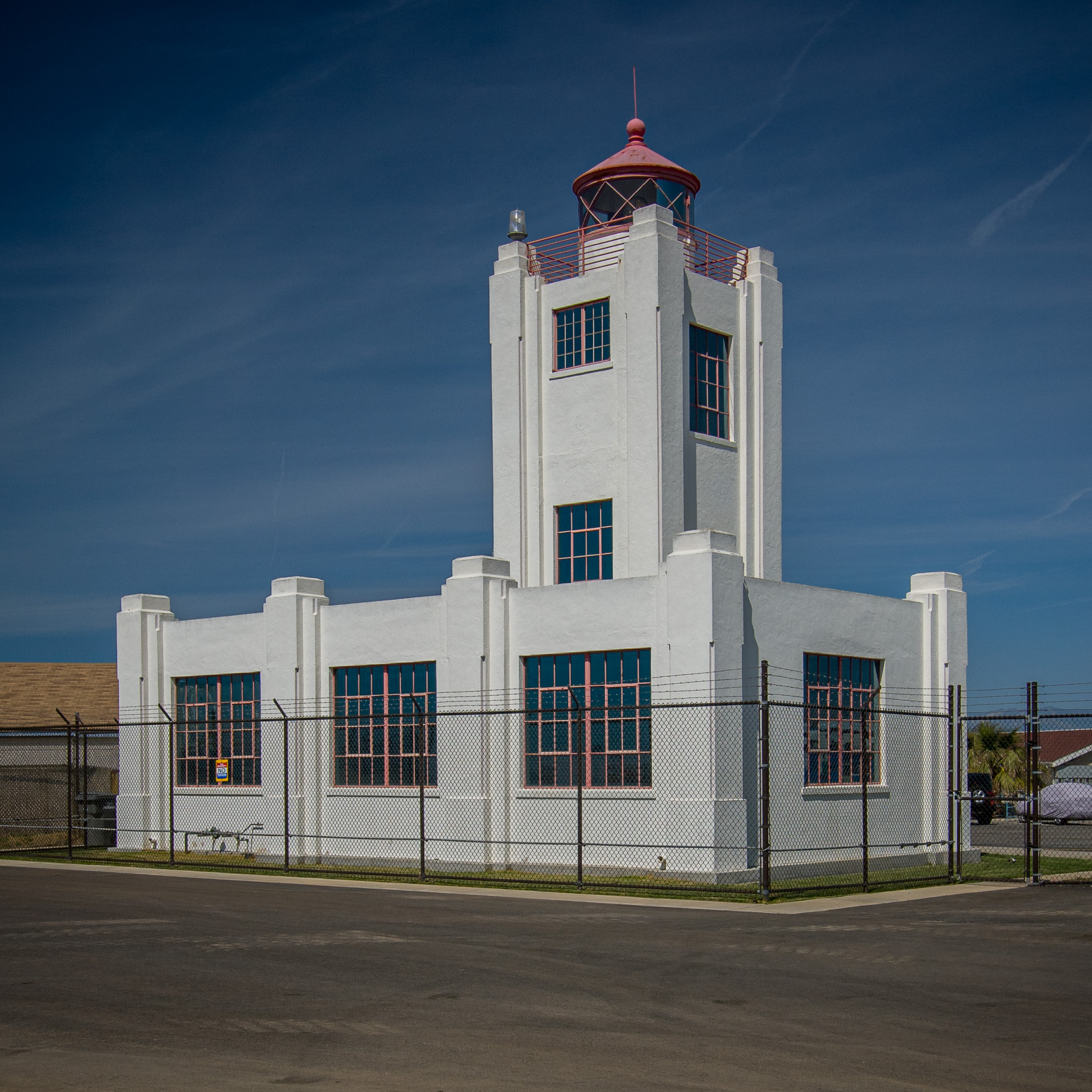
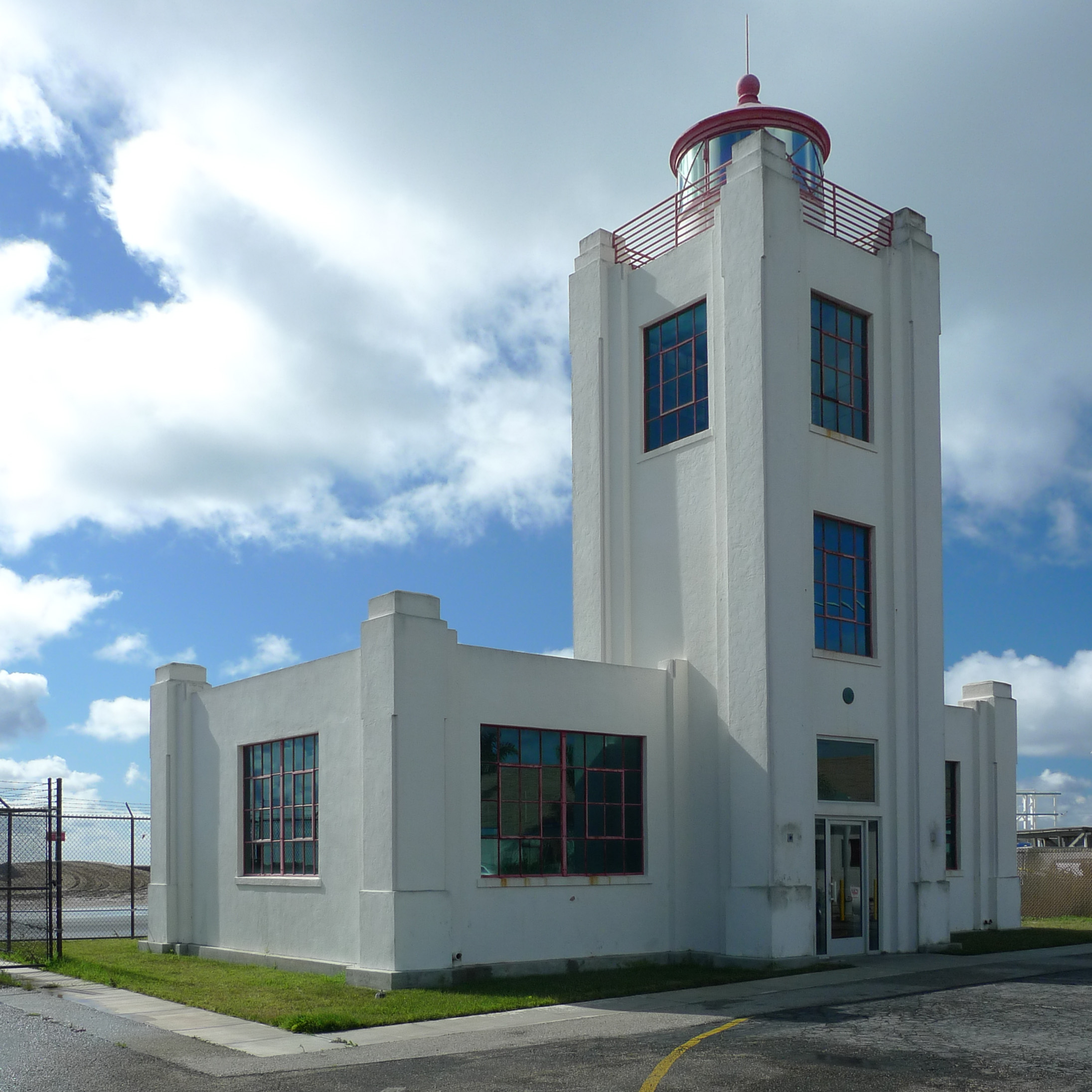
Hueneme Lighthouse, 2008. Credit: Stephen Schafer.
Ventura County Landmark No. 57: Lightworks in the Hueneme Lighthouse
Historical Background
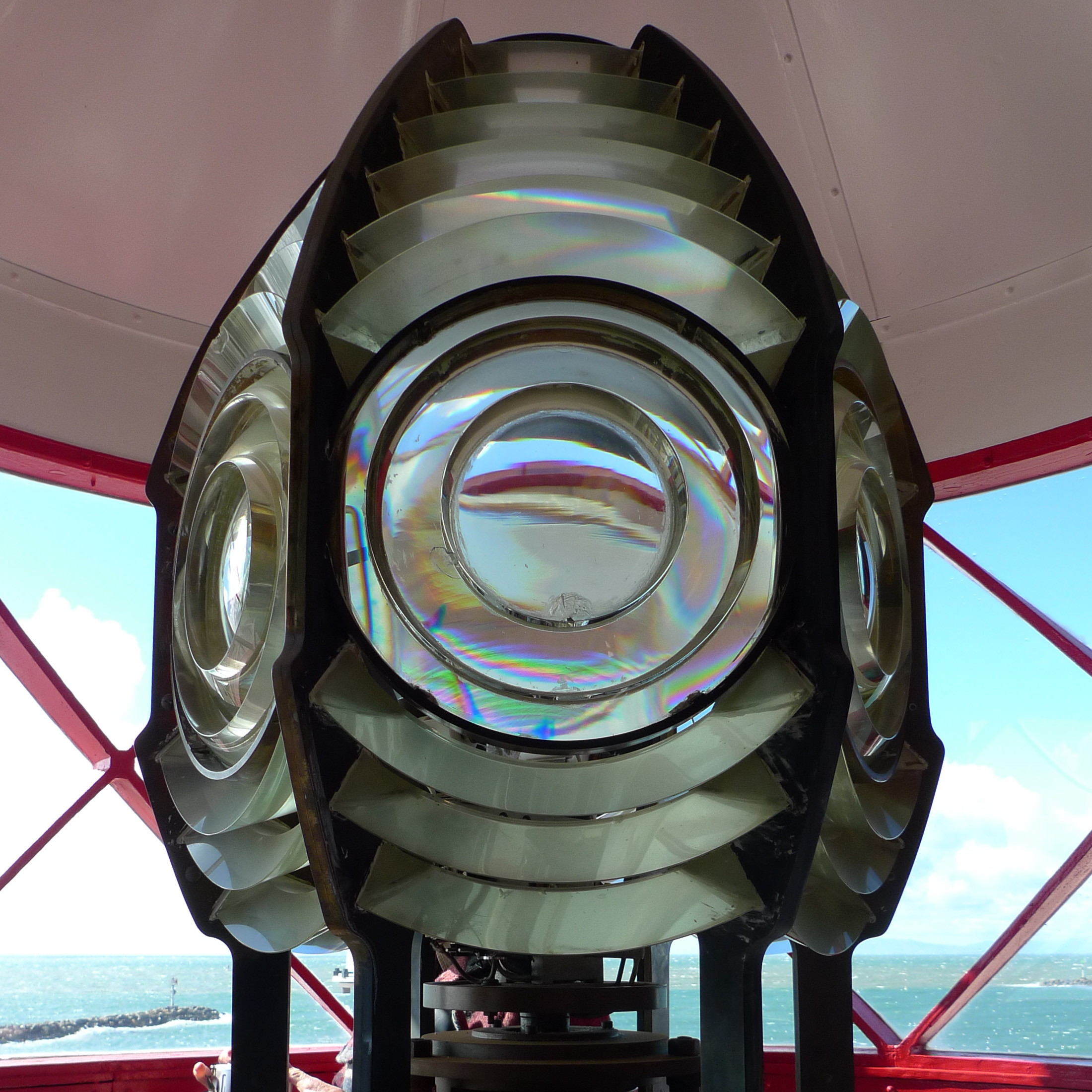
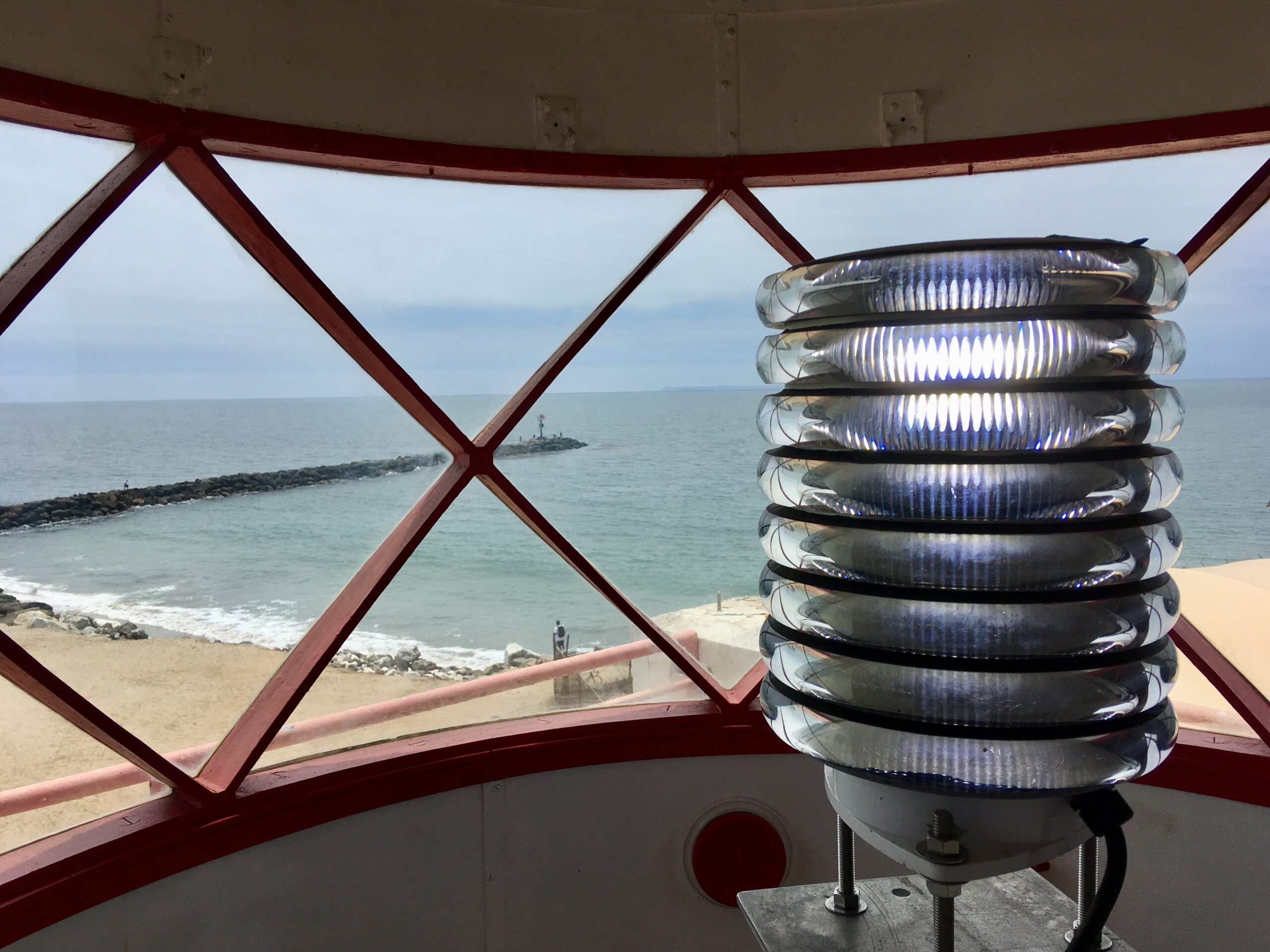
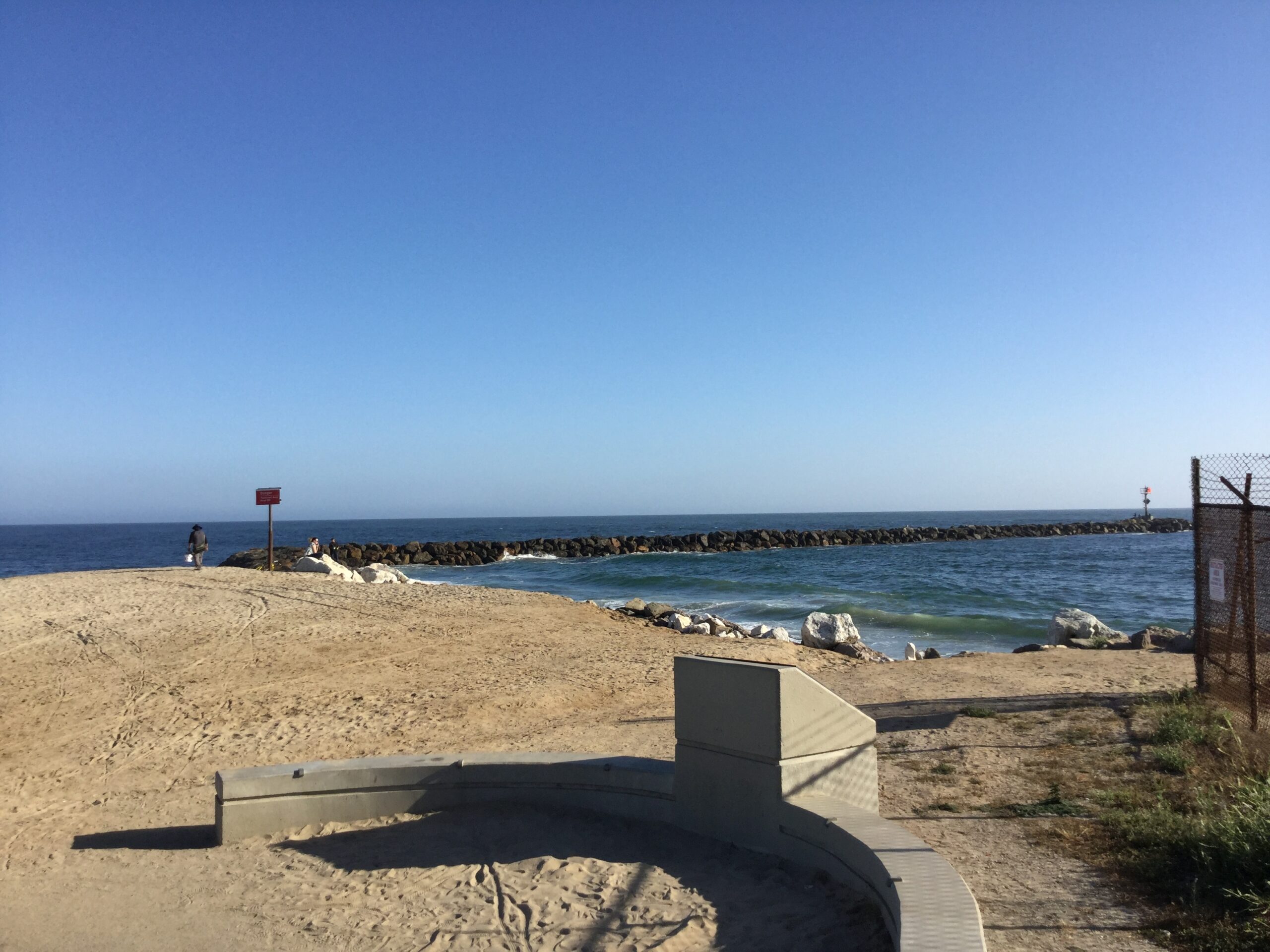
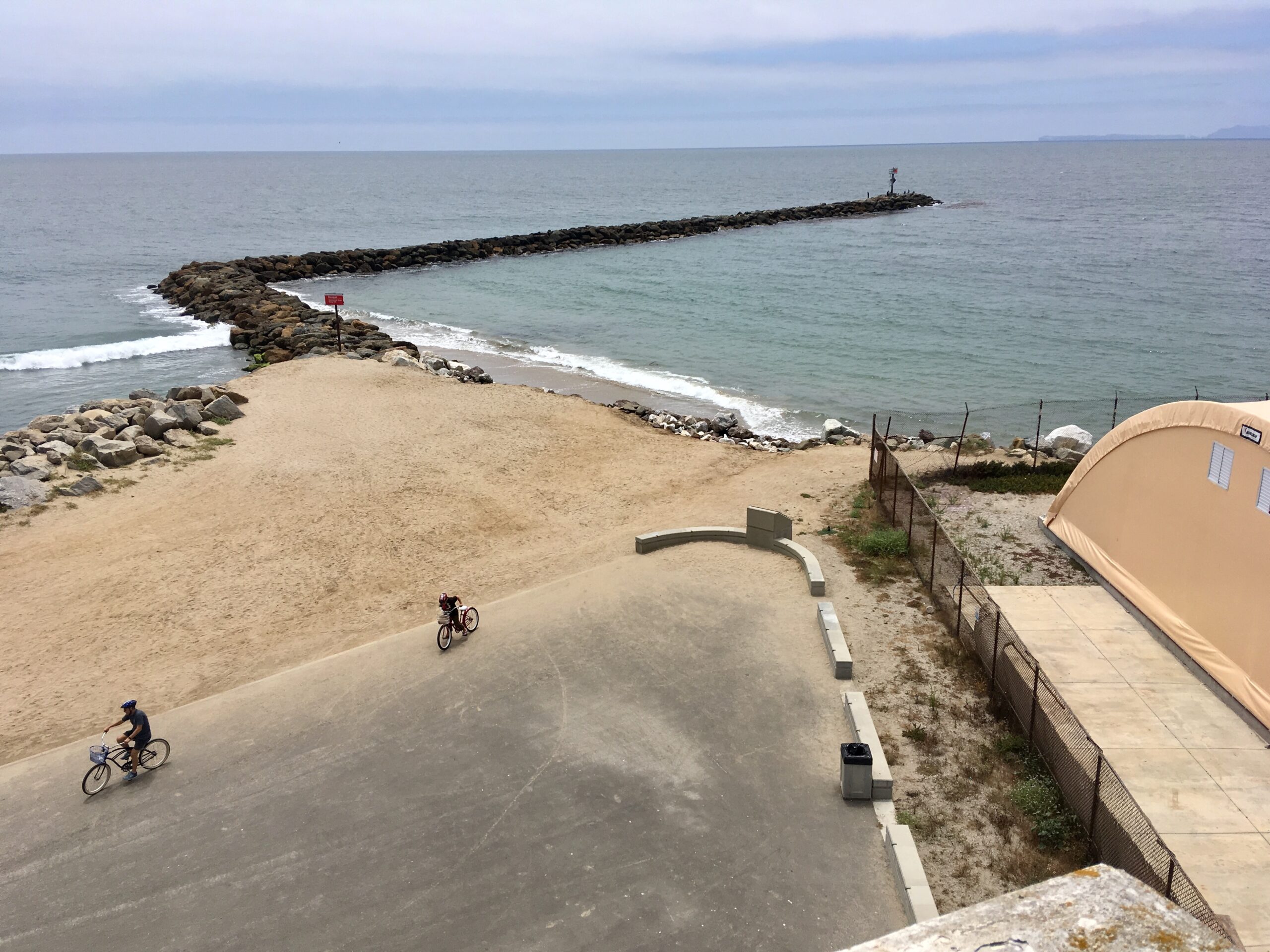
The lightworks was manufactured in 1897 in France by Barier and Barnard; it consists of six handmade lens panels designed for an oil lantern and operated by timing gears and weights. It was installed that same year in a U.S. government lighthouse built in 1874 at Point Hueneme (Ventura County Resource Management Agency, Planning Division, n.d.). In 1925, the lightworks was electrified using a solitary 1,000‑watt light bulb. In 1940, the lighthouse was moved to the west side of the entrance channel to allow harbor expansion. The Navy took over the harbor in 1942 and demolished the lighthouse in 1943, moving the lightworks into its present home, a Coast Guard building at the entrance to Port Hueneme (Ventura County Resource Management Agency, Planning Division, n.d.). The lightworks still throws a beam out to sea every five seconds, marking the entrance to the Port of Hueneme and the narrowest place between the mainland and Anacapa Island (Ventura County Resource Management Agency, Planning Division, n.d.).
Point Hueneme
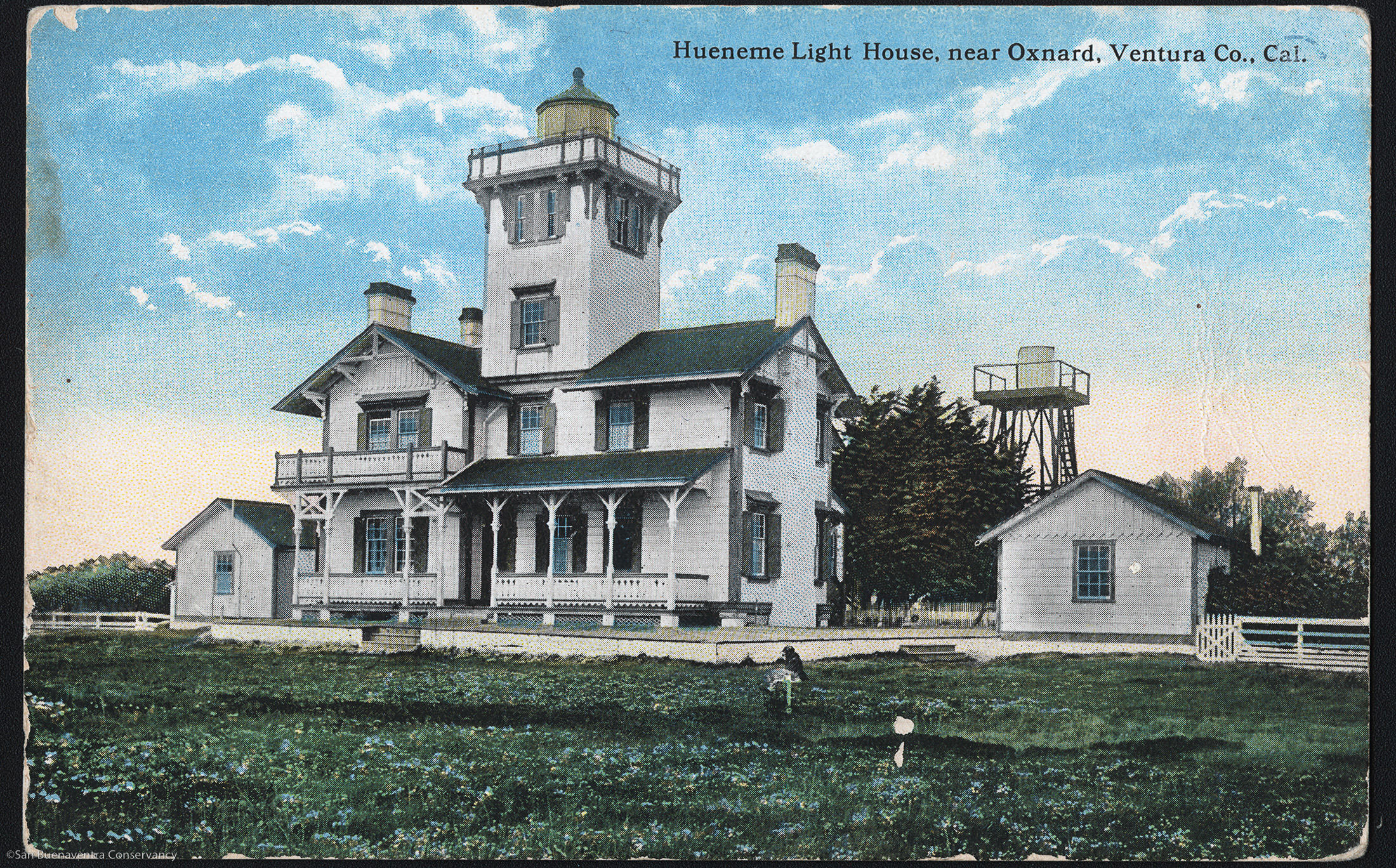
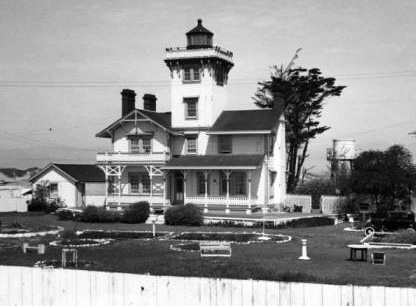
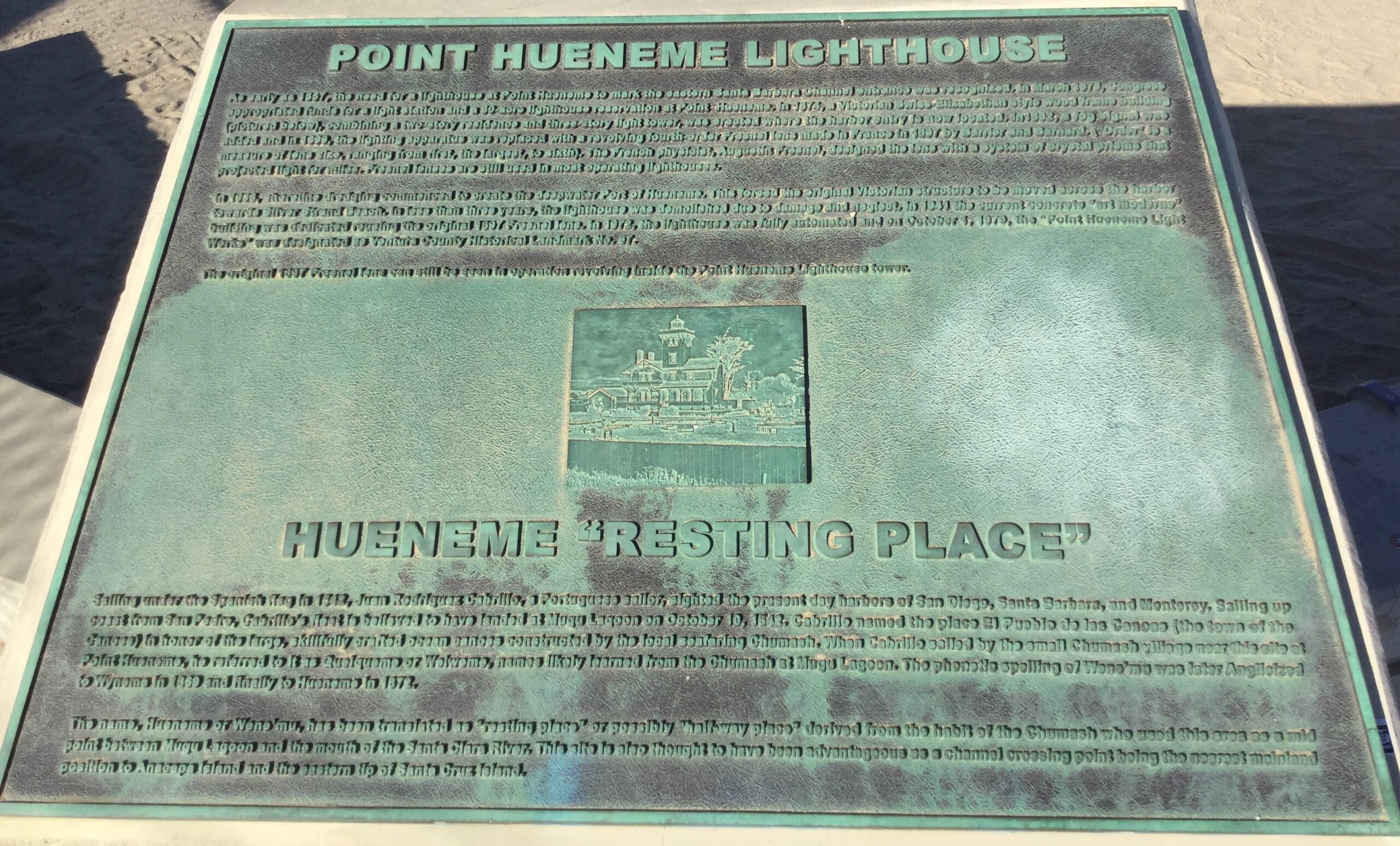
As early as 1857, the need for a lighthouse at Point Hueneme to mark the eastern Santa Barbara Channel entrance was recognized (Museum of Ventura County Archives, n.d.). In March 1873, Congress appropriated funds for a light station and a 60‑acre lighthouse reservation at Point Hueneme. In 1874, a Victorian Swiss‑Elizabethan style wood‑frame building combining a two‑story residence and three‑story light tower was erected where the harbor entry is now located (Ventura County Resource Management Agency, Planning Division, n.d.). In 1882, a fog signal was added, and in 1899, the lighting apparatus was replaced with a revolving fourth‑order Fresnel lens made in France in 1897 by Barrier and Barnard (Ventura County Resource Management Agency, Planning Division, n.d.). The French physicist Augustin Fresnel designed the lens with a system of crystal prisms that projected light for miles; Fresnel lenses are still used in most operating lighthouses (Museum of Ventura County Archives, n.d.).
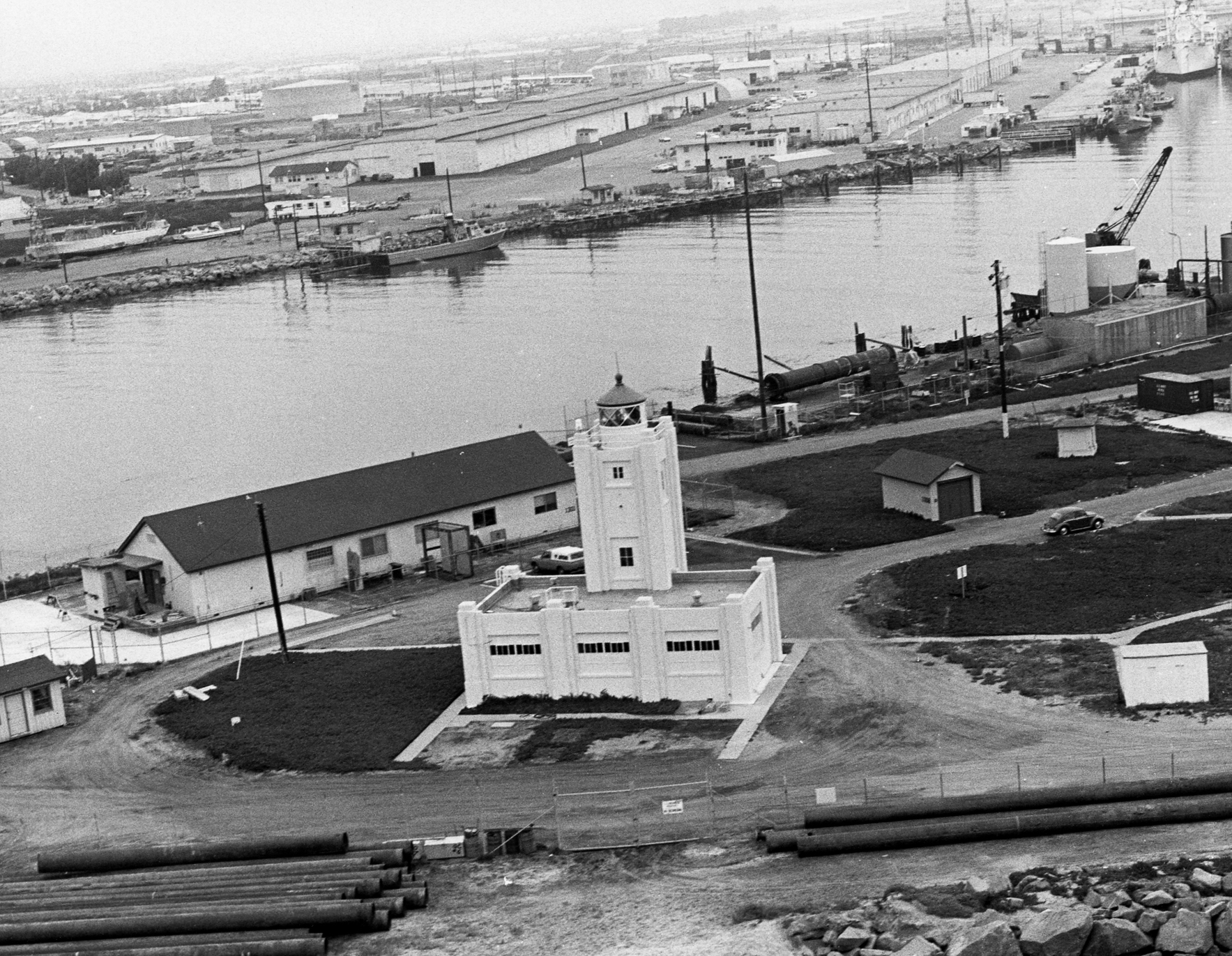
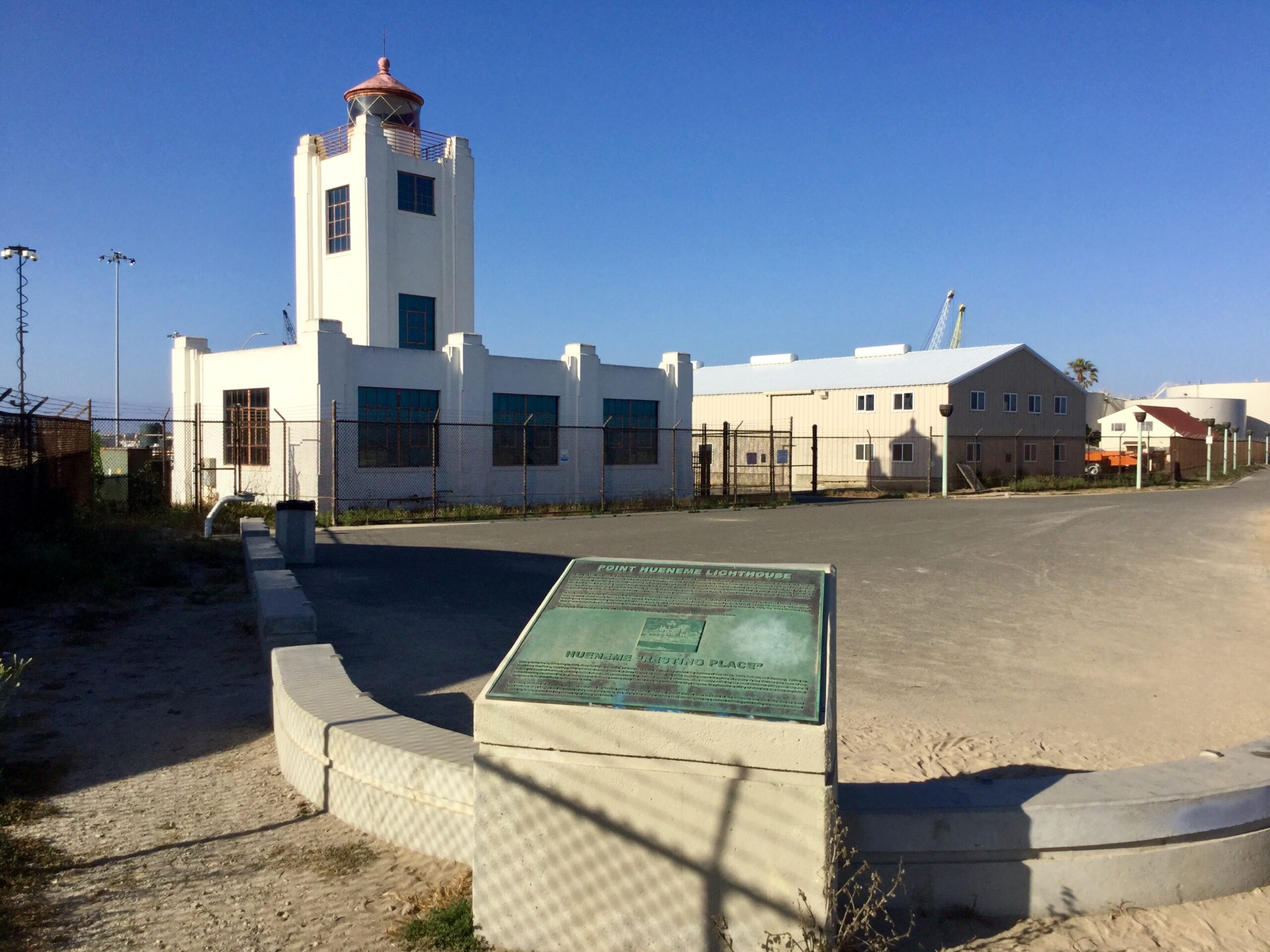
In 1936, shoreline dredging commenced to create the deepwater Port of Hueneme, forcing the original Victorian structure to be moved across the harbor toward Silver Strand Beach (Ventura County Resource Management Agency, Planning Division, n.d.). In less than three years, the lighthouse was demolished due to damage and neglect. In 1941, the current concrete Art Moderne building was dedicated, reusing the original 1897 Fresnel lens (Ventura County Resource Management Agency, Planning Division, n.d.). In 1972, the lighthouse was fully automated, and on October 1, 1979, the Point Hueneme Light Works was designated as Ventura County Historical Landmark No. 57 (Ventura County Resource Management Agency, Planning Division, n.d.).
Hueneme “Resting Place”
Sailing under the Spanish flag in 1542, Juan Rodriguez Cabrillo, a Portuguese navigator, sighted the present‑day harbors of San Diego, Santa Barbara, and Monterey (Museum of Ventura County Archives, n.d.). Sailing up the coast from San Pedro, Cabrillo’s fleet is believed to have landed at Mugu Lagoon on October 10, 1542. Cabrillo named the place El Pueblo de las Canoas (“the town of the canoes”) in honor of the large, skillfully crafted ocean canoes constructed by the local seafaring Chumash (Museum of Ventura County Archives, n.d.). When Cabrillo sailed by the small Chumash village near this site at Point Hueneme, he referred to it as Quelqueme or Welweme, names likely learned from the Chumash at Mugu Lagoon (Museum of Ventura County Archives, n.d.). The phonetic spelling of Wene’mu was later Anglicized to Wyneme in 1869 and finally to Hueneme in 1872.
The name Hueneme or Wene’mu has been translated as “resting place” or possibly “half‑way place,” derived from the habit of the Chumash who used this area as a midpoint between Mugu Lagoon and the mouth of the Santa Clara River (Museum of Ventura County Archives, n.d.). This site is also thought to have been advantageous as a channel crossing point, being the nearest mainland position to Anacapa Island and the eastern tip of Santa Cruz Island (Museum of Ventura County Archives, n.d.).
Museum of Ventura County Archives. (n.d.). Point Hueneme lighthouse and regional history collections. Museum of Ventura County.
Ventura County Resource Management Agency, Planning Division. (n.d.). Landmark No. 57: Point Hueneme Light Works. Ventura County Cultural Heritage Board Landmark Records.
The vcrma.org website has been translated for your convenience using translation software powered by Google Translate. Reasonable efforts have been made to provide an accurate translation, however, no automated translation is perfect nor is it intended to replace human translators. Translations are provided as a service to users of the Ventura.org website, and are provided “as is.” No warranty of any kind, either expressed or implied, is made as to the accuracy, reliability, or correctness of any translations made from English into any other language. Some content (such as images, videos, Flash, etc.) may not be accurately translated due to the limitations of the translation software.
The official text is the English version of the website. Any discrepancies or differences created in the translation are not binding and have no legal effect for compliance or enforcement purposes. If any questions arise related to the accuracy of the information contained in the translated website, please refer to the English version of the website which is the official version.