ATTENTION:
Citizen Access will be unavailable Thursday, October 9 at 5:00 PM to Monday, October 13 at 6:00 AM for scheduled maintenance and updates.
We apologize for the inconvenience.
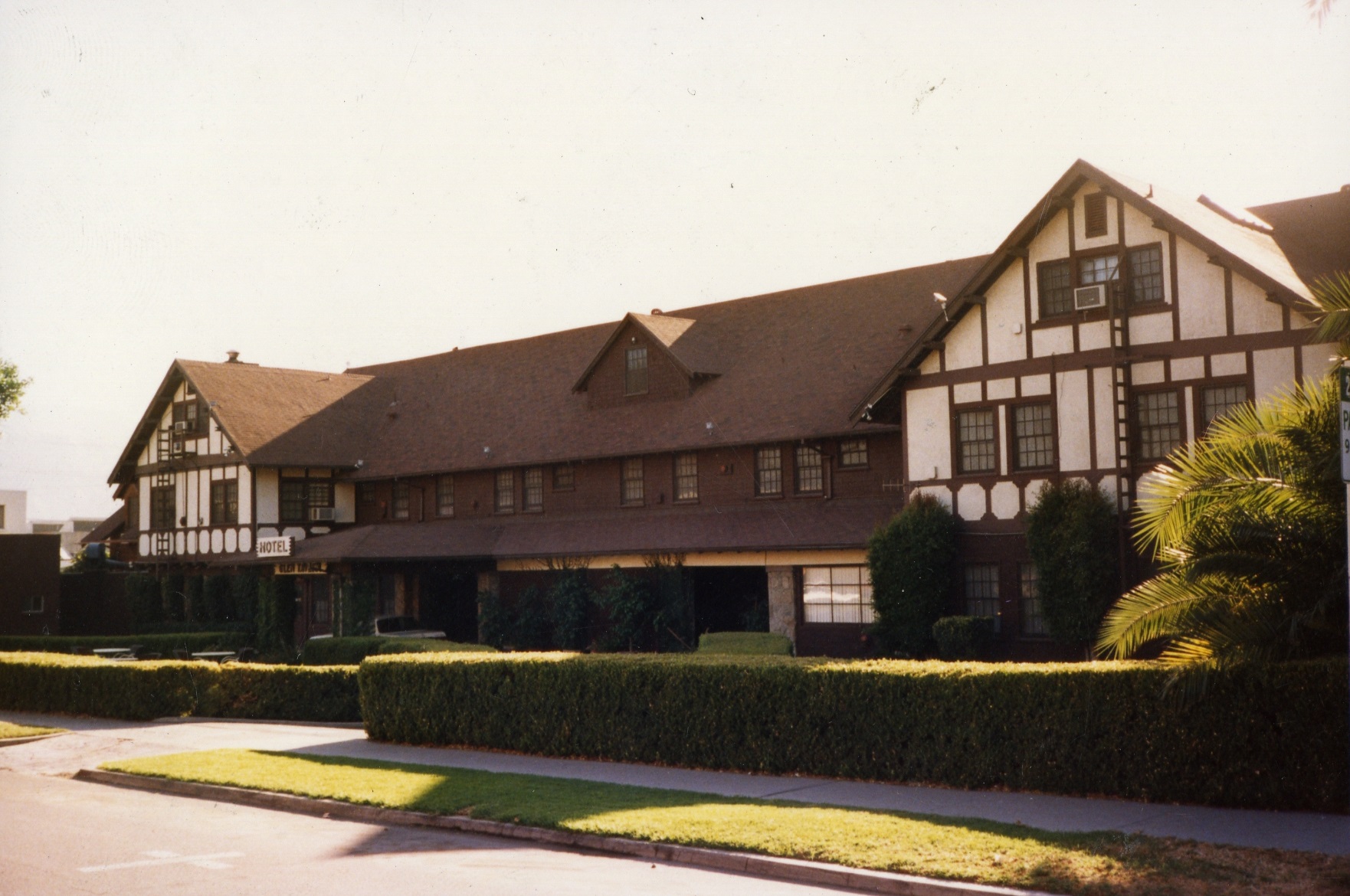
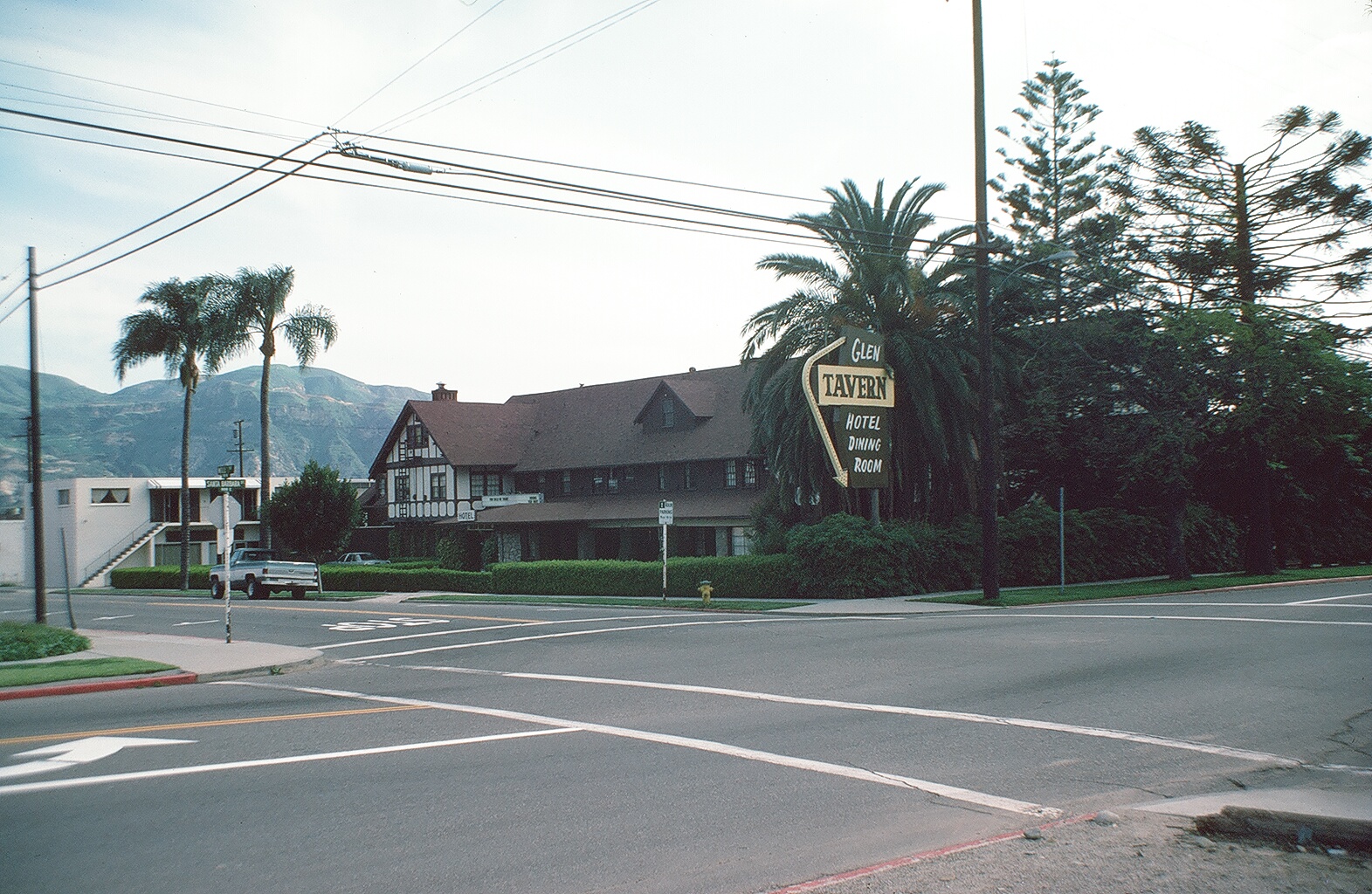
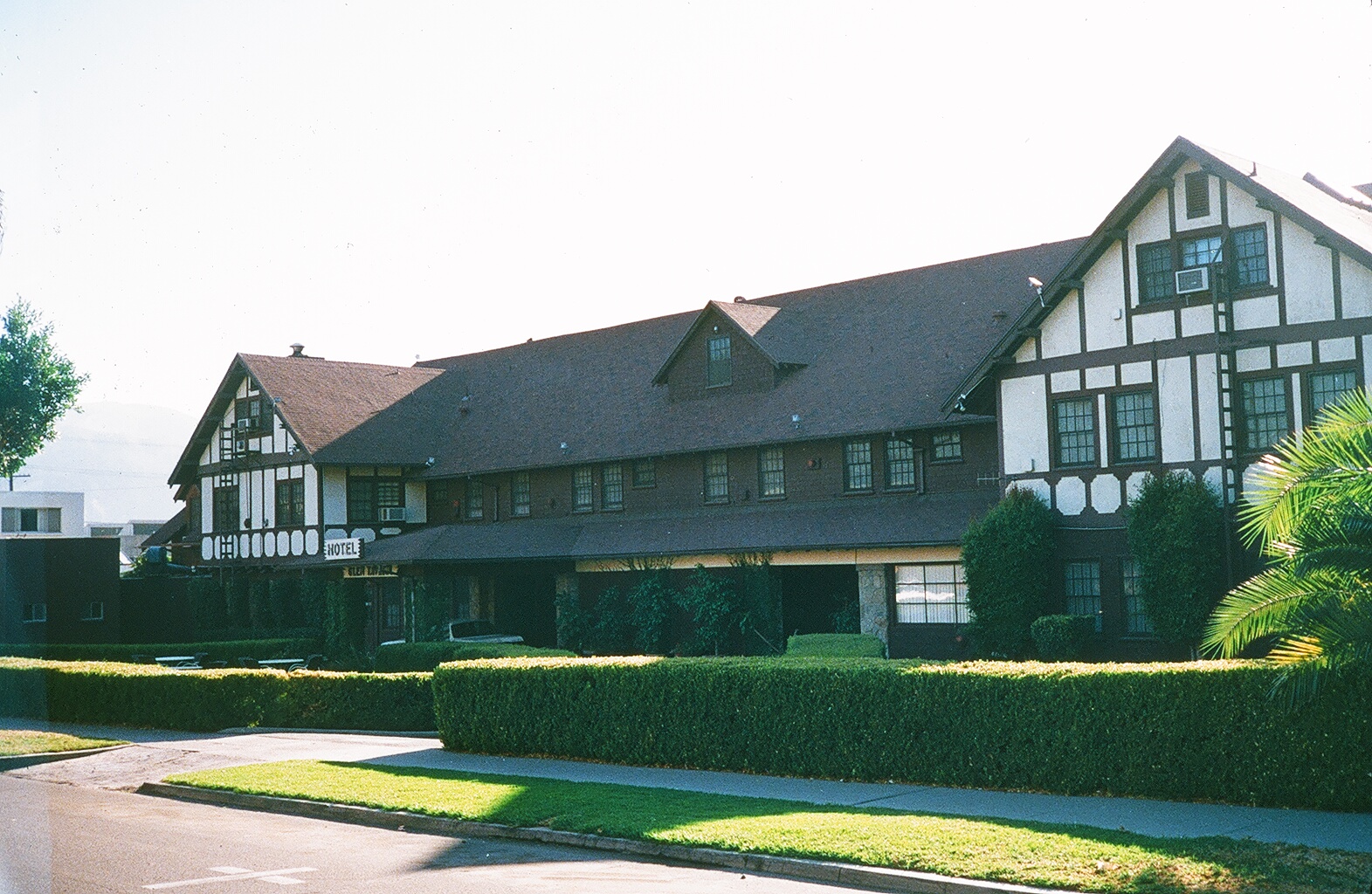
Glen Tavern Hotel, 1985.
Ventura County Landmark No. 65: Glen Tavern Hotel
Historical Background
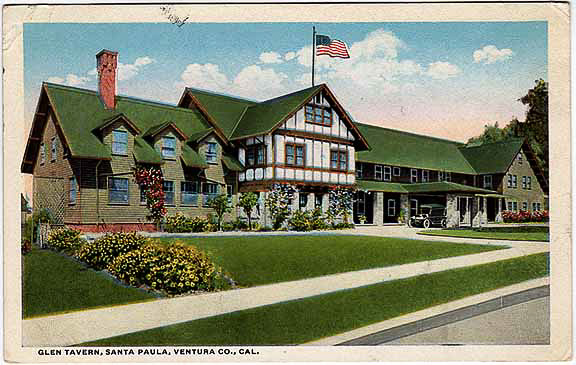
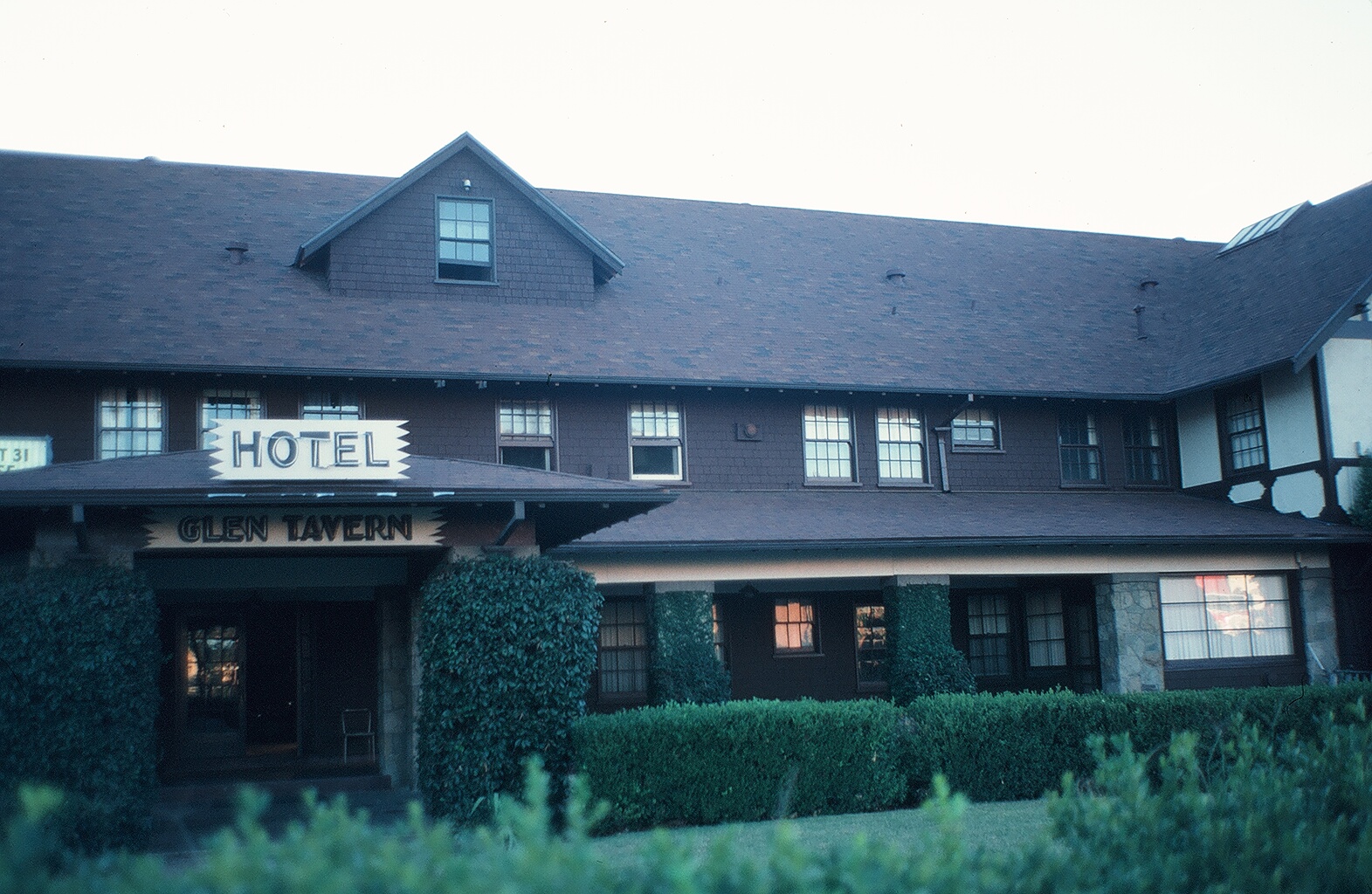
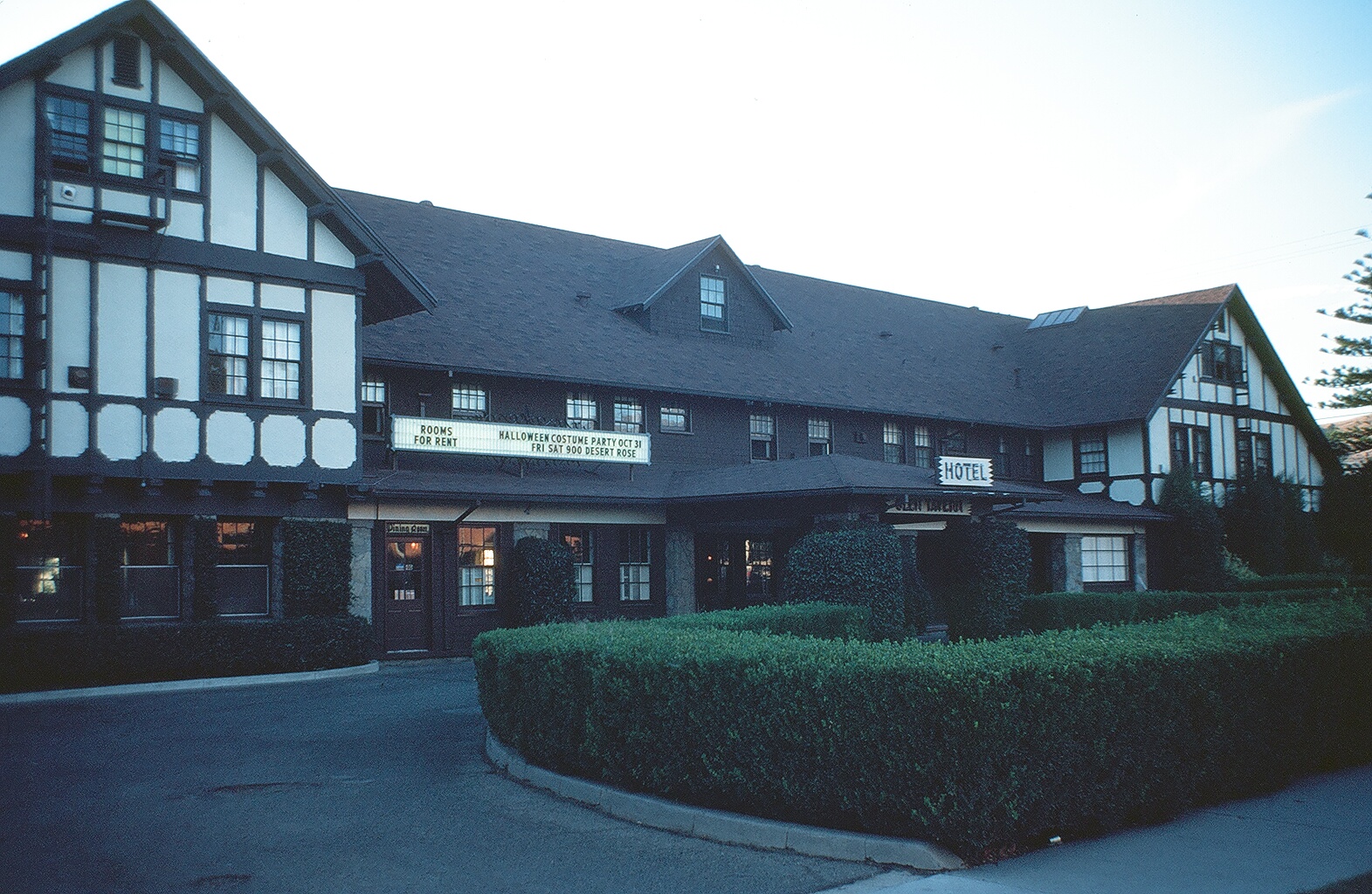
The Glen Tavern Inn was built in 1911 by Hunt & Burns Architects to serve the nearby (now historic) train depot. The Craftsman/English Tudor‑style hotel features two large offset gables and multiple gabled dormers. The interior includes early 1900s European‑influenced décor, original dark wood paneling, some original light fixtures, a stone fireplace, and Craftsman columns (Hughes, 1986). The inn rests on a landscaped site in the center of Santa Paula, once a booming early oil town and now a pleasant community surrounded by lemon and avocado groves (Hughes, 1986).
True to its Wild West past, the hotel’s third floor once housed a gambling parlor and a house of ill repute. During Prohibition, a speakeasy was added. In Hollywood’s early heyday, Santa Paula was a popular filming location for major studios, and the inn welcomed notable guests such as John Wayne, Carole Lombard, Harry Houdini, and Steve McQueen (Glen Tavern Inn, n.d.).
Craftsman Architecture
The Craftsman style emerged in the United States from the Arts and Crafts Movement, which originated in England as a reaction against the loss of traditional craftsmanship during the Industrial Revolution. Emphasizing the use of local, natural materials, simple forms, originality, and handcrafted details, the movement celebrated quality workmanship and honest construction. In 1901, Gustav Stickley published the first issue of The Craftsman magazine, which became a leading advocate for Craftsman furniture, textiles, and architecture. Architects such as Greene and Greene in Pasadena and David Owen Dryden in San Diego were instrumental in popularizing the Craftsman style, making it the predominant residential architectural style of the early twentieth century (City of Santa Barbara, n.d.).
The Building Today
The Glen Tavern Inn remains in operation as of 2026. It has been featured in numerous paranormal television programs due to the many rumored hauntings associated with its colorful past. Several of the rooms highlighted in these stories are available to guests and contribute to both the inn’s character and continued popularity.
Glen Tavern Hotel, including former signage, 1982.
Glen Tavern Hotel, 1985.
Translate Disclaimer
The vcrma.org website has been translated for your convenience using translation software powered by Google Translate. Reasonable efforts have been made to provide an accurate translation, however, no automated translation is perfect nor is it intended to replace human translators. Translations are provided as a service to users of the Ventura.org website, and are provided “as is.” No warranty of any kind, either expressed or implied, is made as to the accuracy, reliability, or correctness of any translations made from English into any other language. Some content (such as images, videos, Flash, etc.) may not be accurately translated due to the limitations of the translation software.
The official text is the English version of the website. Any discrepancies or differences created in the translation are not binding and have no legal effect for compliance or enforcement purposes. If any questions arise related to the accuracy of the information contained in the translated website, please refer to the English version of the website which is the official version.