ATTENTION:
Citizen Access will be unavailable Thursday, October 9 at 5:00 PM to Monday, October 13 at 6:00 AM for scheduled maintenance and updates.
We apologize for the inconvenience.
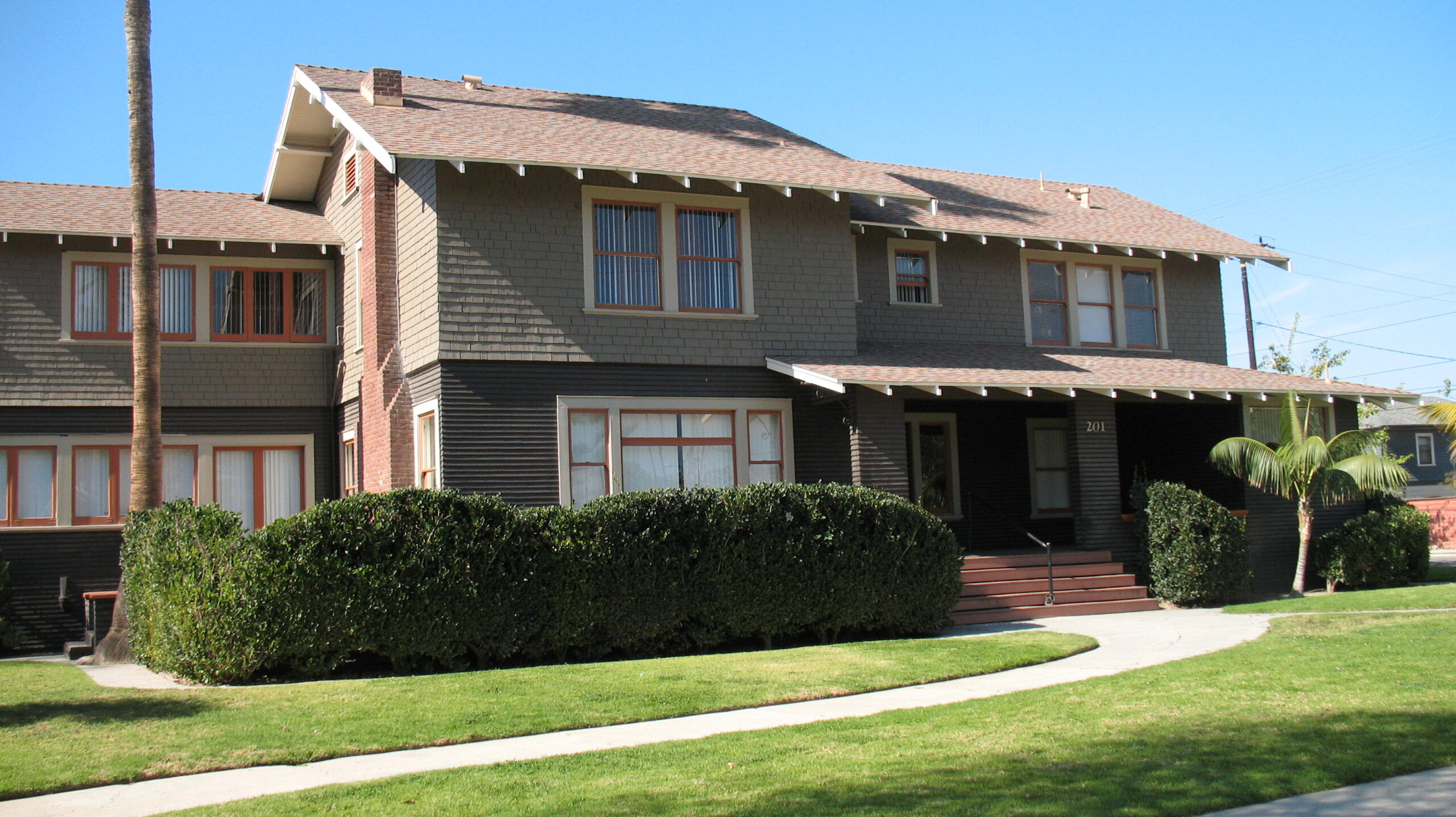
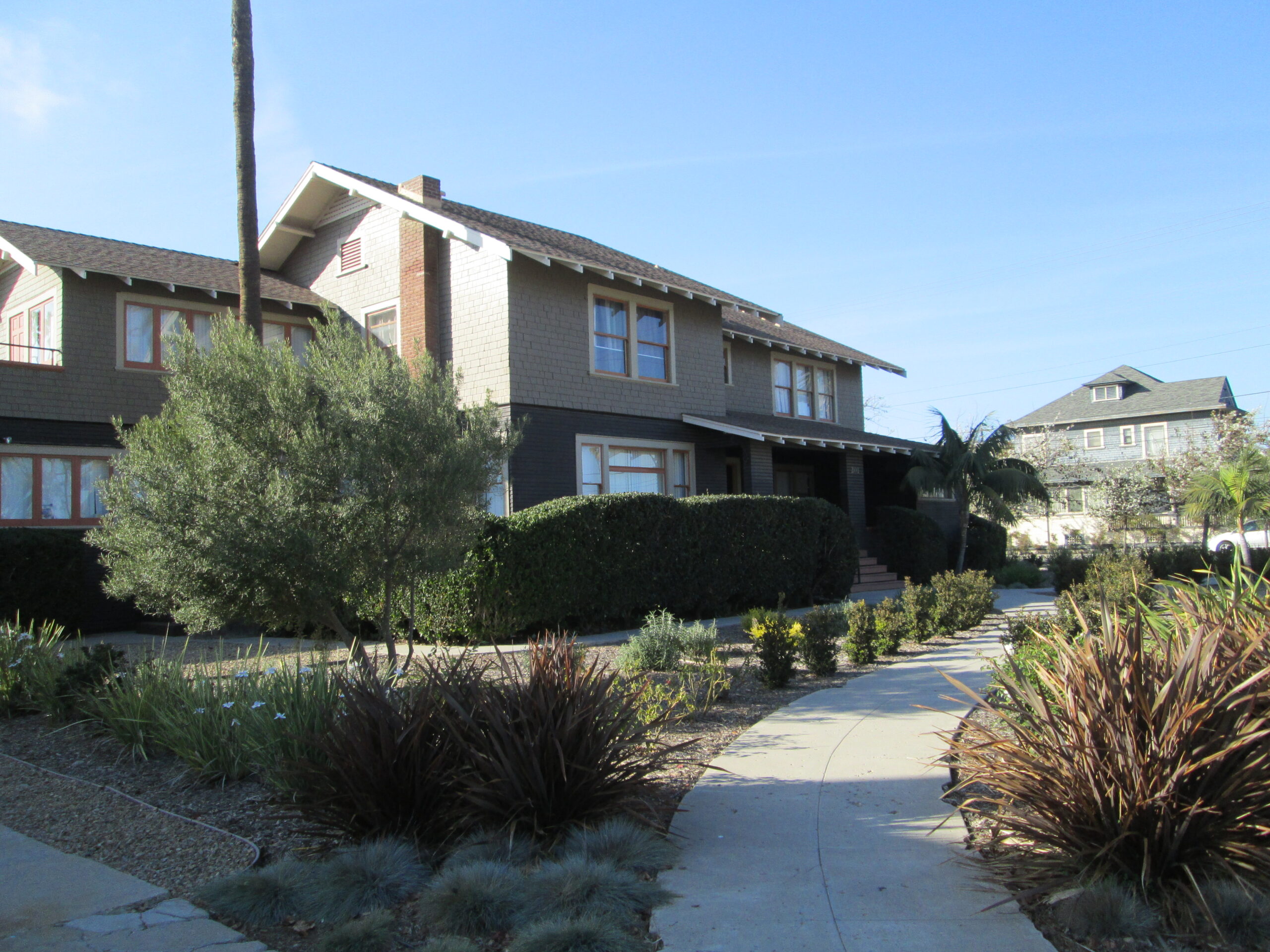
Achille Levy House, 2014.
Ventura County Landmark No. 75: Achille Levy House
Historical Background
The Achille Levy House, constructed in 1912 and designed by architect Albert C. Martin Sr., stands as one of Oxnard’s largest early 20th century residences (Museum of Ventura County, n.d.). Built for banker and agricultural broker Achille Levy, the home reflects Oxnard’s emergence as a commercial center at the turn of the century. Levy relocated his banking operations from Port Hueneme to Oxnard in 1898, and this residence became the family’s home beginning in 1912 (Museum of Ventura County, n.d.).
Architectural Features
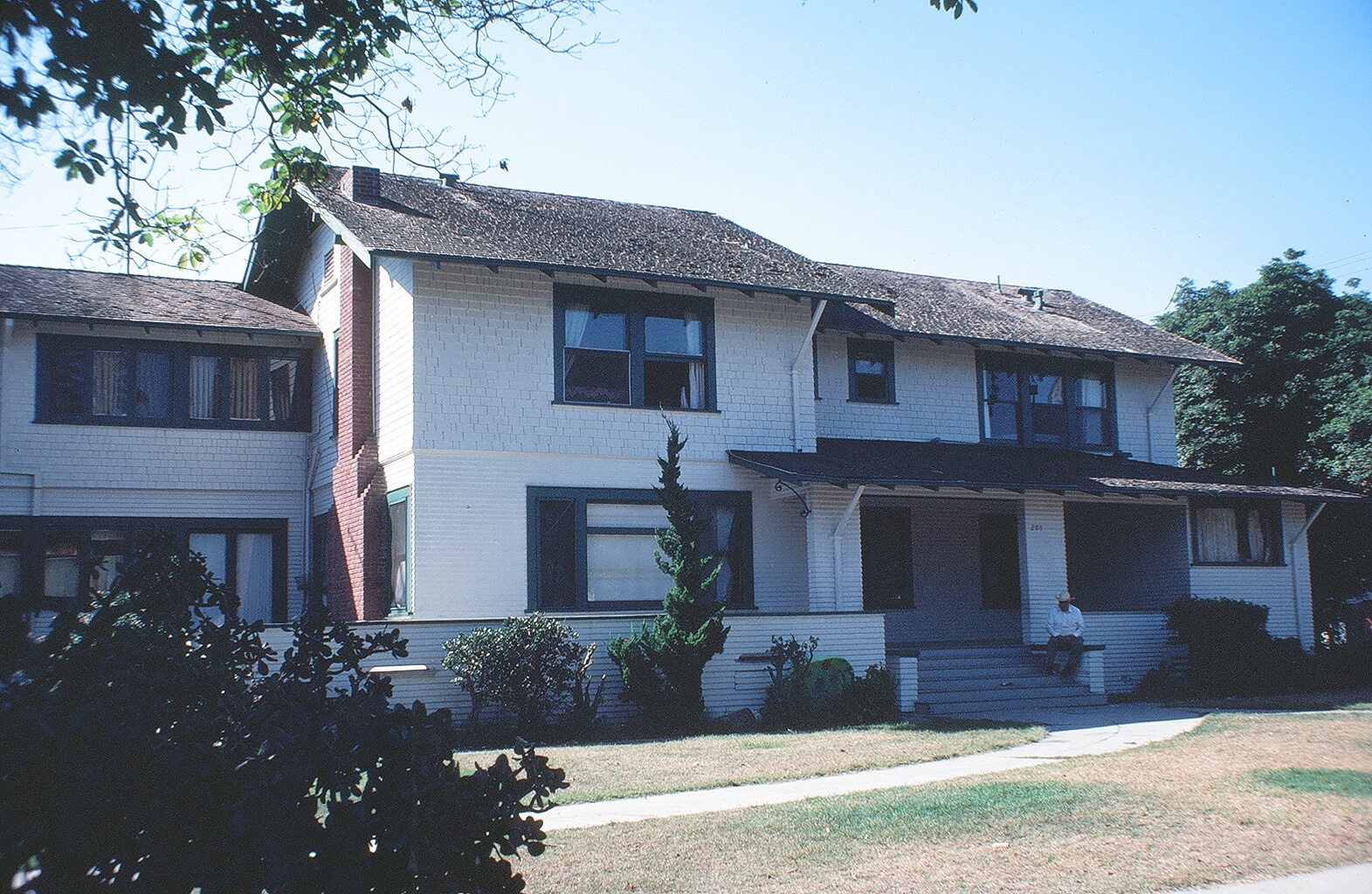
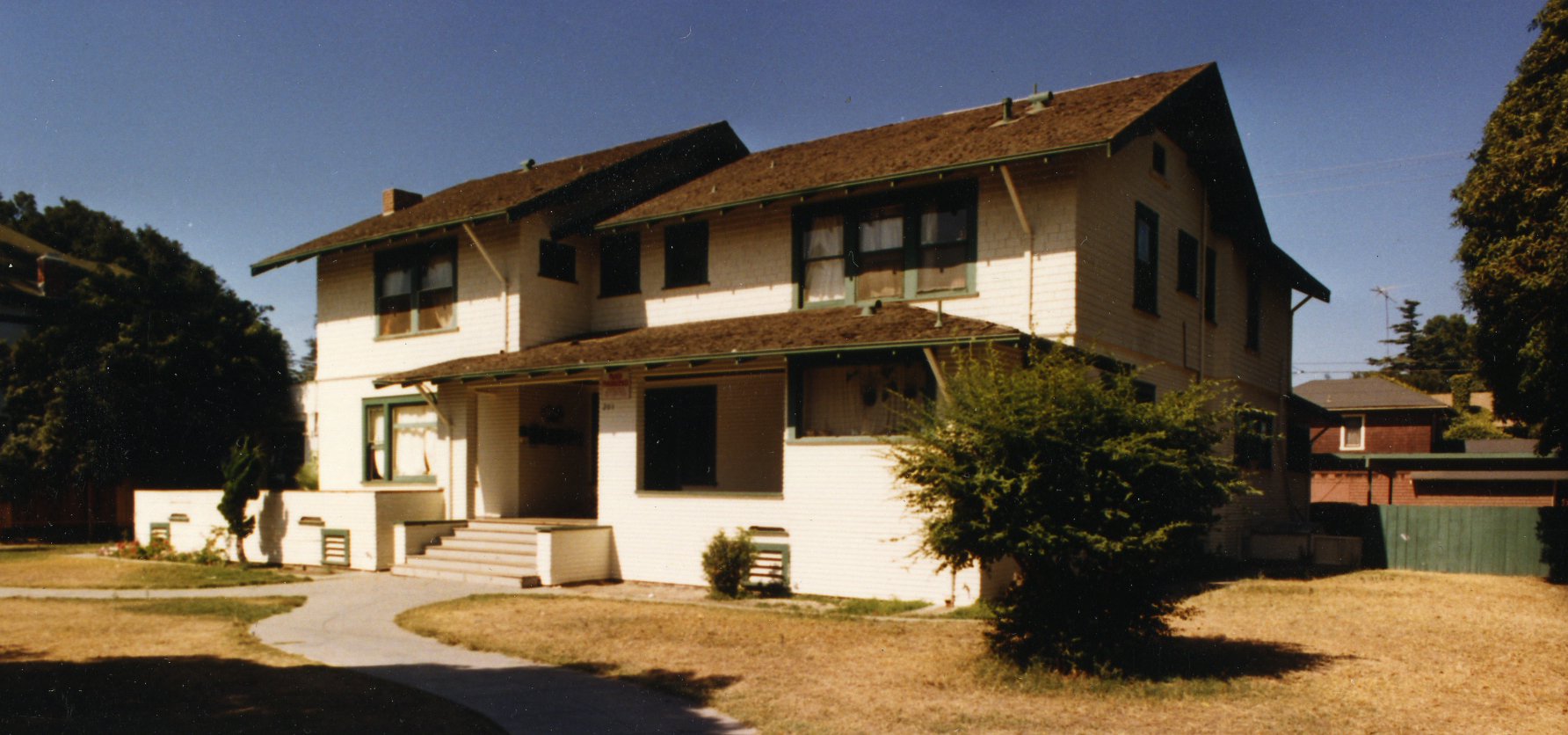
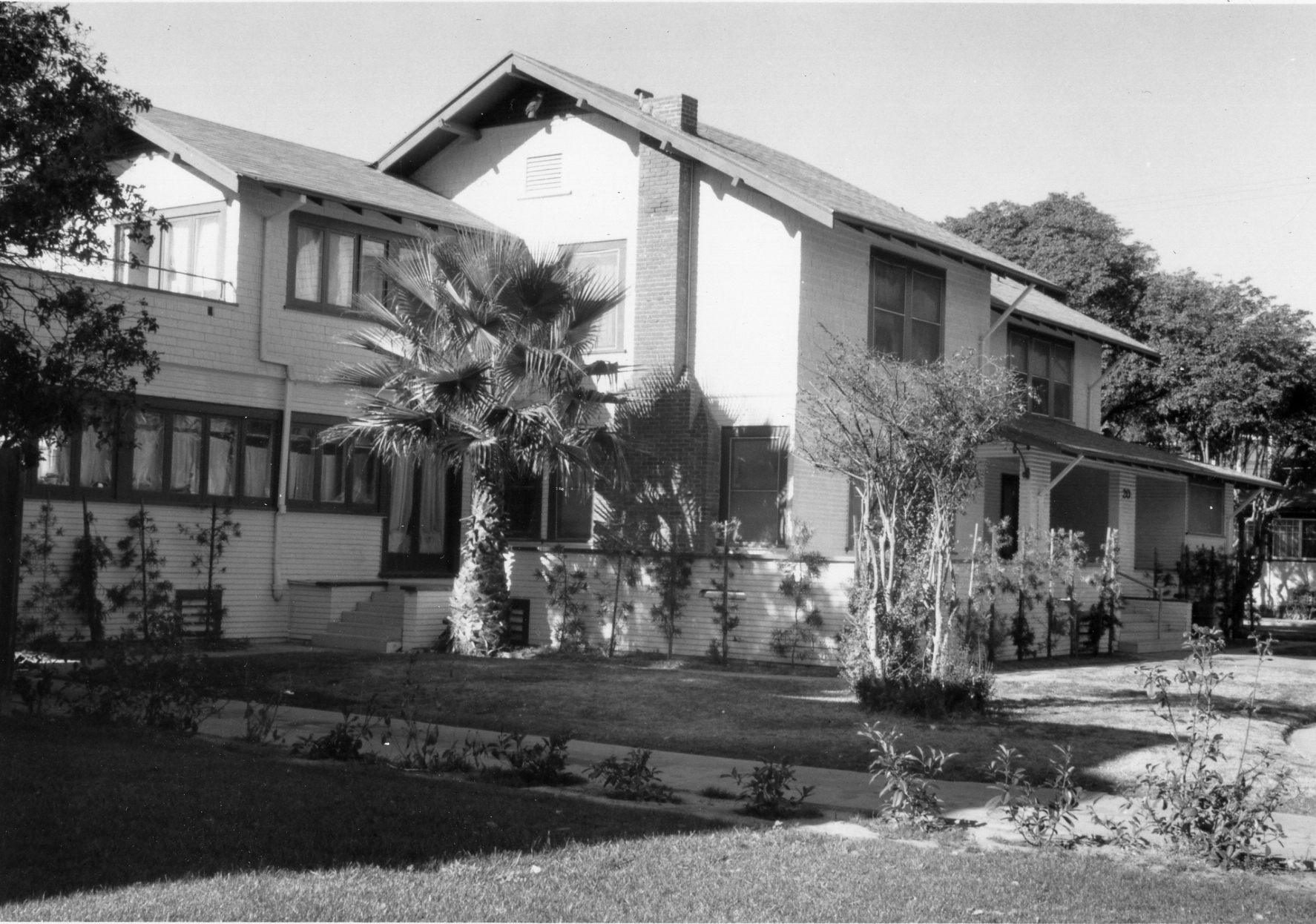
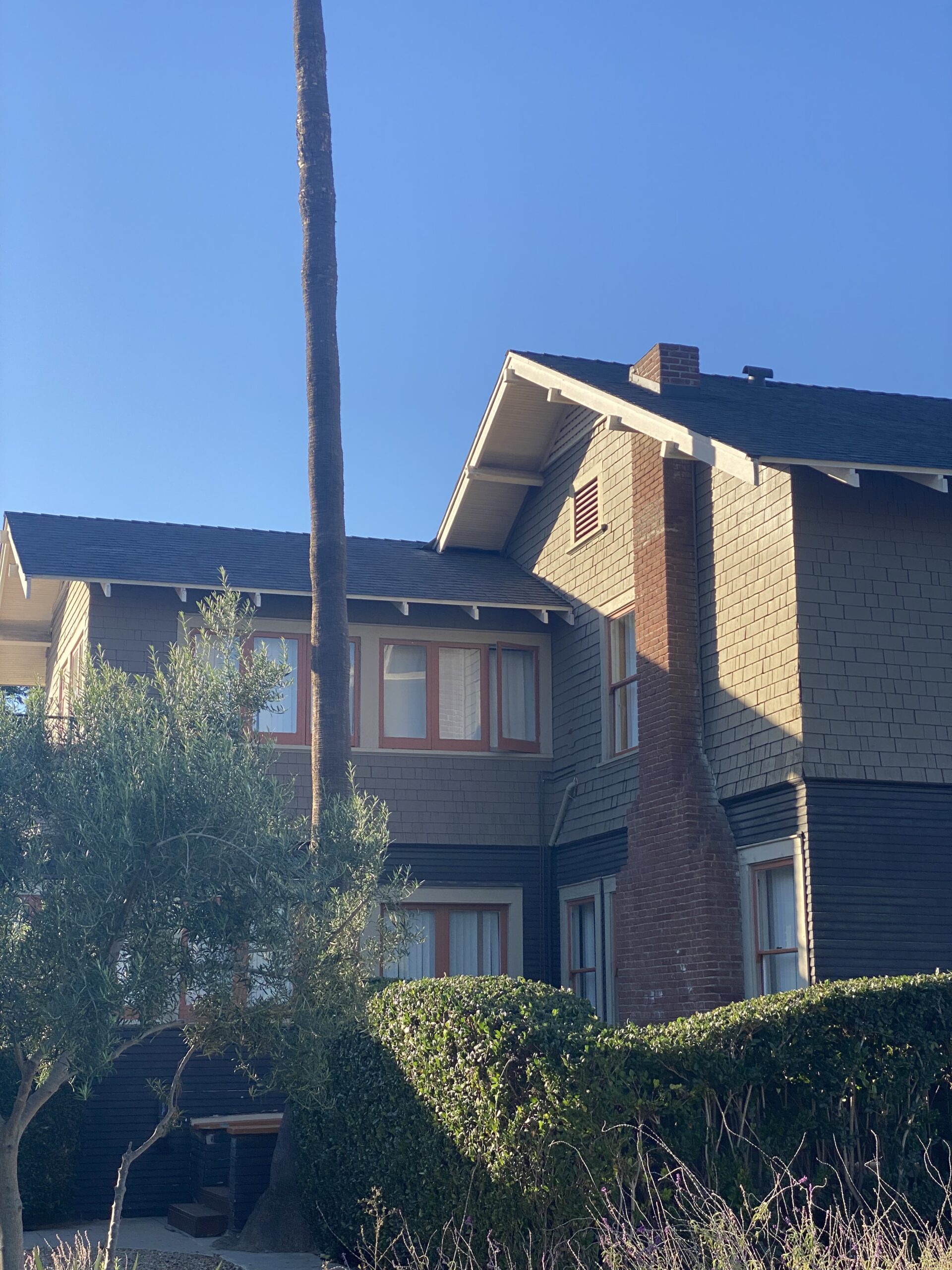
The Achille Levy House displays distinctive shingle style architecture blended with Craftsman influences. Characteristic features include its wood shingle exterior, overhanging eaves, broad rooflines, and exposed rafters—hallmarks of early 20th century residential craftsmanship (Museum of Ventura County, n.d.). The residence also features a substantial front porch supported by prominent columns and a large wood paneled front door typical of Craftsman style design. Although interior spaces were modified when the home was converted into apartments, the exterior retains its architectural integrity (Museum of Ventura County, n.d.).
Achille Levy
Achille Levy was born in Alsace, France, in 1853 and immigrated to California at the age of 18. After spending time in San Francisco and working for his uncle in Solano, he moved to Port Hueneme in 1873. There, he became an agricultural broker handling barley, peanuts, beans, honey, fruits, sugar beets, and livestock. His combination of brokerage and financial services grew into a trusted business foundation that eventually led him to create the Bank of A. Levy. By the early 20th century, Levy had become one of the most influential business figures in Ventura County, and at the time of his death in 1922, he was considered the wealthiest individual in the region.
Bank of A. Levy
The Bank of A. Levy was formally incorporated in 1905 and quickly gained a reputation for stability and community commitment (Museum of Ventura County, n.d.). During Levy’s lifetime, the bank did not foreclose on any local farmers, even during the hardships of the Great Depression. Under the leadership of Levy’s son Joseph, the bank expanded throughout the region. In 1927, its headquarters moved to a Renaissance style building at the corner of A and Fifth Streets in Oxnard. Over time, the bank grew to include 17 branches across Ventura County. In 1995, the Bank of A. Levy was sold to First Interstate Bank, serving approximately 65,000 customer accounts at the time (Museum of Ventura County, n.d.).
Landmark Significance
Ventura County designated the Achille Levy House as Landmark No. 75 due to its architectural distinction and its historic association with one of Ventura County’s most influential early business figures (Museum of Ventura County, n.d.). The home represents Oxnard’s early development, its ties to regional agriculture, and the growth of local banking institutions. Its size, craftsmanship, and architectural pedigree make it one of the most significant surviving examples of shingle style residential design in the region.
Preservation and Current Status
In the 1960s, the residence was converted into apartments, but its exterior architectural form remained largely unaltered. Today, the home continues to retain much of its historic integrity, reflecting the community’s recognition of its cultural and architectural value (Museum of Ventura County, n.d.).
The vcrma.org website has been translated for your convenience using translation software powered by Google Translate. Reasonable efforts have been made to provide an accurate translation, however, no automated translation is perfect nor is it intended to replace human translators. Translations are provided as a service to users of the Ventura.org website, and are provided “as is.” No warranty of any kind, either expressed or implied, is made as to the accuracy, reliability, or correctness of any translations made from English into any other language. Some content (such as images, videos, Flash, etc.) may not be accurately translated due to the limitations of the translation software.
The official text is the English version of the website. Any discrepancies or differences created in the translation are not binding and have no legal effect for compliance or enforcement purposes. If any questions arise related to the accuracy of the information contained in the translated website, please refer to the English version of the website which is the official version.